
The T-Center by Günther Domenig
Photo
Vienna 2014

Street Photographer and Urban Chronist ǀ Vienna ǀ Sony Alpha with Selp 16-50 mm or Sigma 30 mm prime lense ǀ Instagram: viennarightnow
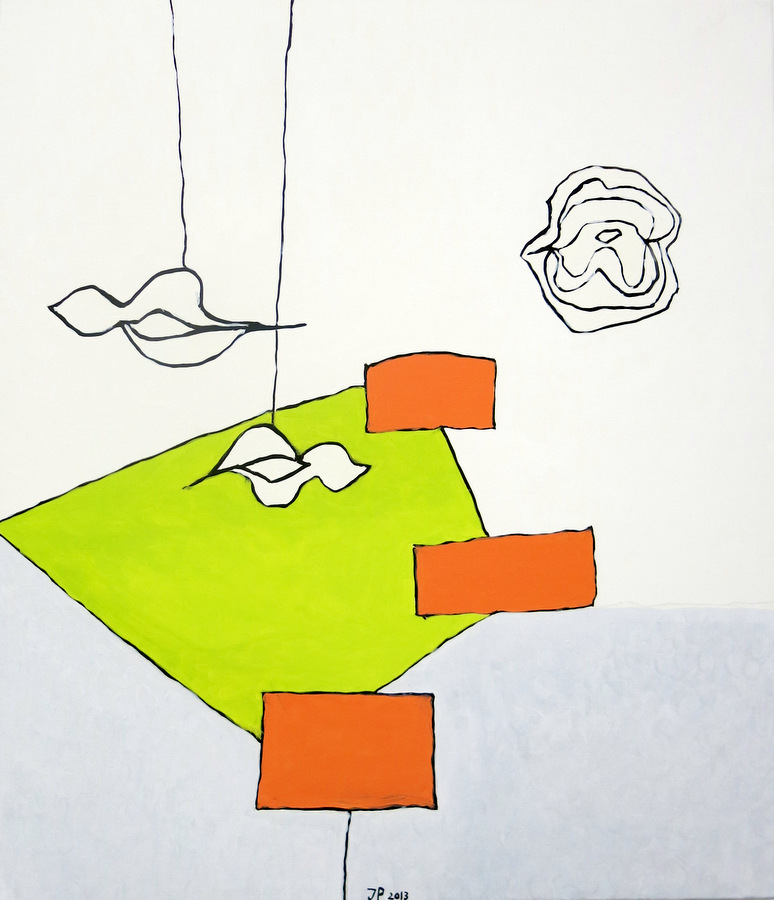
Jürgen Partenheimer
Das Archiv
2013
Oil on canvas
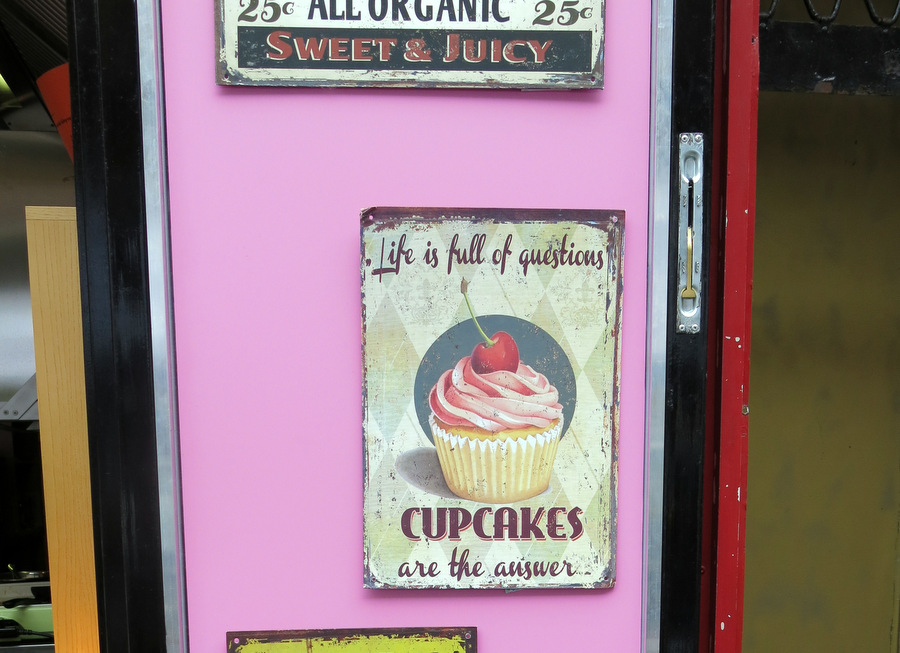
Photo
Budapest 2014

Photo
Vienna 2014

If you are interested in emerging and affordable art, do not look any further than Tappan Collective. Chelsea Neman and Jordan Klein founded the collective to offer young artists a plattform to exhibit and sell their works.
Featured artists are: Alison Cooley, Alyson Provax, Amanda Charchian, Anna Ayeroff, Annelie Vandendael, Ashkahn Shahparnia, Austin Power, Brandy Eve Allen, Brian Merriam, Camille Altay, César Vega, Cheryl Humphreys, Chris Cox, Clara Balzary, Dafy Hagai, Dana Veraldi, David Kitz,Doug Galante, Elizabeth Corkery, Emily Knecht, Eric Chakeen, Gia Coppola, Heather Day, Hugues Laurent, Isaac Zoller, Jay Ezra, Jeffrey Kraus, Jenny Sharaf, Jonni Cheatwood, Julian Wellisz, Kelsey Shultis, Lani Trock, Lola Rose Thompson, Maggie Mull, Marc Gabor, Matin Zad, Matt Ross, Matthew Trygve Tung, Meghan Howland, Michael Gittes, Molly Berman, Noah Jashinski, Olivia Wolfe, Owen Schmit, Rebecca Lowe Mosena, Rives Granade, Sebastian Weiss, Shay Spaniola, Stevie Howell, Tappan Collective, Thomas Hammer, Travis Schneider, Tyler Healy, Will Robson-Scott, Xavier Antin, Zoe Freilich.
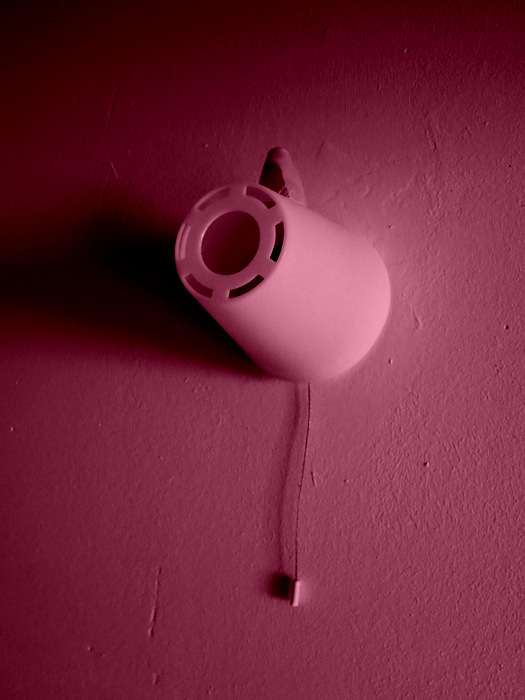
Photo
Vienna 2014

The Neuer Markt (New Market, also Flour Market as it used to provide the city with flour and grain) is one of the oldest places in Vienna. It is located to the west of Kärntner Straße in the historic center. During WWII the place was heavily damaged and several buildings were replaced by modern ones. The original private town-houses were built for wealthy Viennese families. The private-house at number 10-11 (shown above) belonged to the family Wild, former traditional delicatessen merchants. It was designed in 1897 by architect Arnold Heymann in the style of german Renaissance.
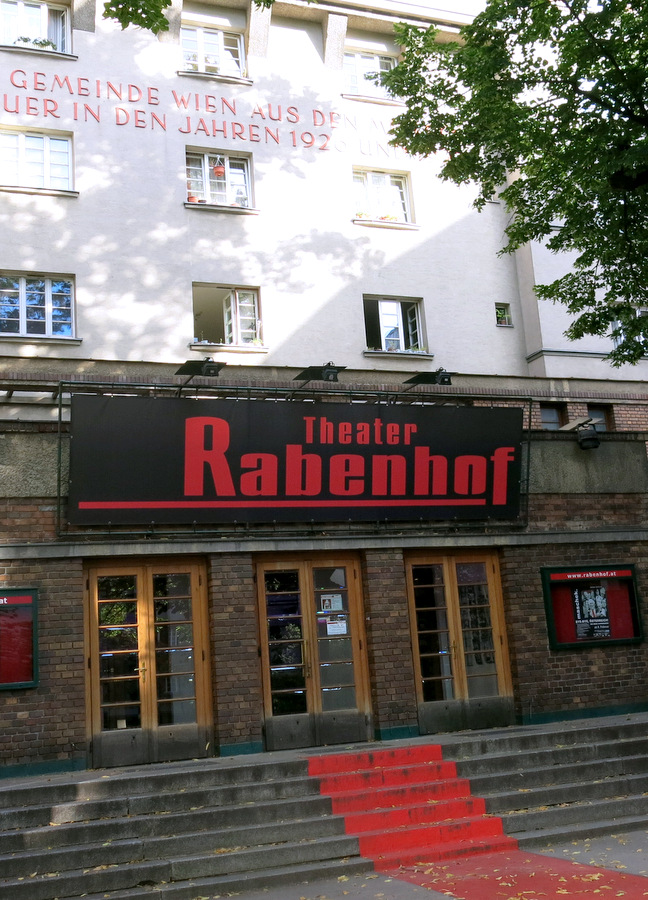
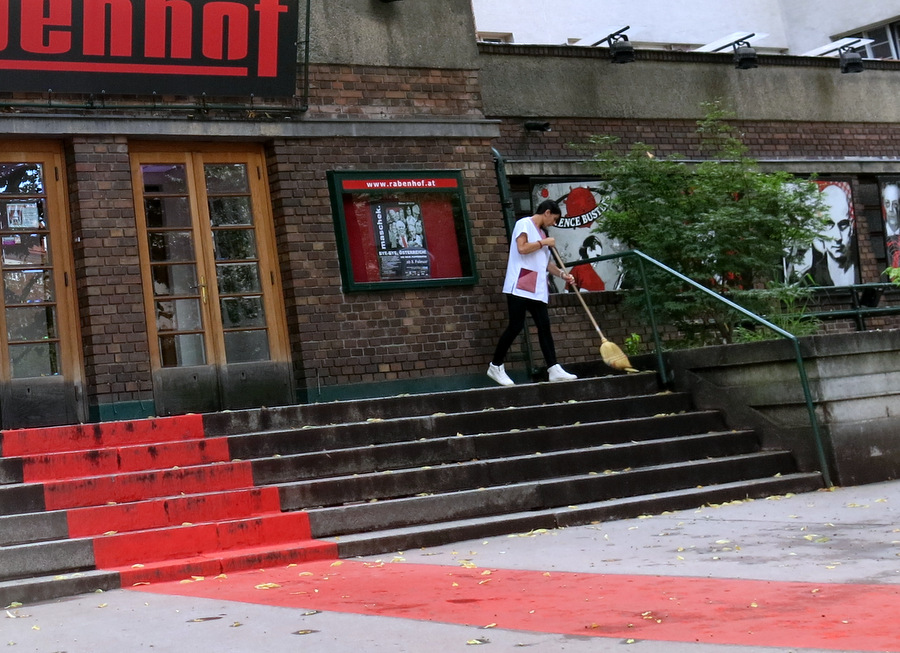
The Rabenhof theatre is located in the so-called Rabenhof, a municipality building dating back to 1927. The premises originally functioned as workers ballroom, but were converted into the Rabenhof cinema with about 400 seats in 1934. In July 1971 the cinema was closed. The theatre was reopened in April 3, 1990. In summer 2008 an attempt was made to restore the original optical state of the 1920s. Luckily, various interior architectural elements were merely hidden behind wooden panels. The Rabenhof theatre plays a mixture of young, critical theater and cabaret. For several years the so-called protest song contest has been held here.
Photo
Vienna 2014
 viennarightnow