Kvarner Bay (Croatian: Kvarnerski zaljev) is a large bay in the northern Adriatic Sea, situated between the Istrian Peninsula and the northern Croatian coast. It is part of the Primorje-Gorski Kotar County and includes several islands, coastal towns, and historic ports.
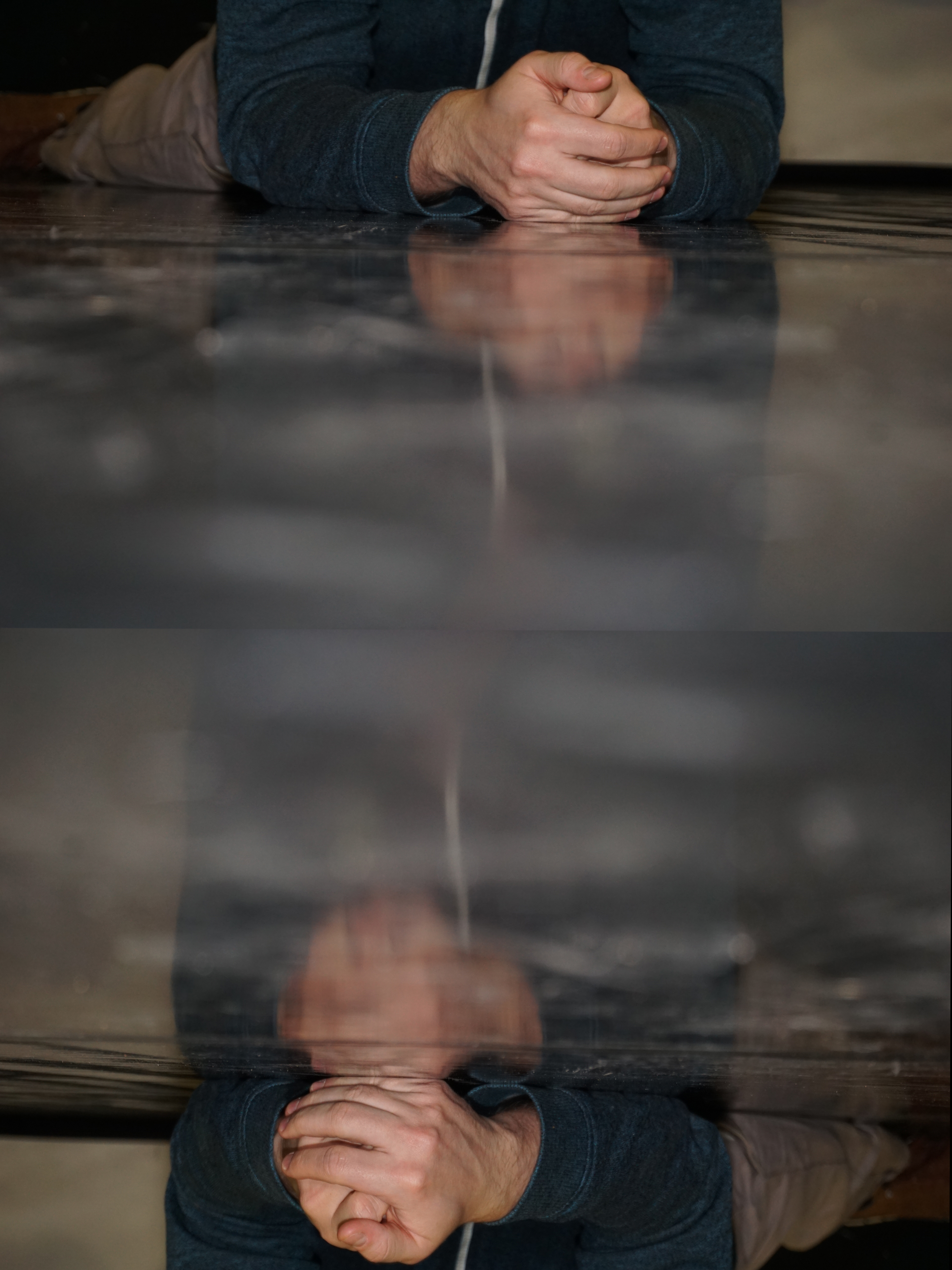
Hands are often associated with the act of creation. In many religious and spiritual traditions, the hand is seen as the instrument through which divine power is manifested. For example, in Michelangelo’s iconic painting “The Creation of Adam,” God’s outstretched finger reaches out to touch Adam’s, symbolizing the spark of life.
The Karl-Marx-Hof is a significant landmark in Vienna, Austria, and a prime example of the “Red Vienna” era of social housing. It is a Gemeindebau which is the German term for a type of municipal housing complex, a concept pioneered in Vienna during the early 20th century. The Karl-Marx-Hof is one of the longest continuous residential buildings in the world, stretching over 1,100 meters (0.68 miles).
St. Anton’s exterior is characterized by a 48.5-meter-high dome, two main towers each 51 meters high, and a 25-meter-wide front facade. Around the building, there are 31 mosaics depicting saints.
The interior of St. Anton von Padua was originally adorned with a cycle of paintings executed by young artists under the direction of Professor August Wörndle von Andelsried. However, after being damaged during World War II, the interior was painted white during restoration due to the high cost of reconstructing the original paintings.
St. Anton von Padua, located in the tenth district of Vienna, is a significant religious and architectural landmark. The church is built in a Romanesque-Byzantine style, designed by architect Franz Ritter von Neumann. The foundation stone was laid on November 10, 1896, in the presence of Emperor Franz Joseph I., and the construction took exactly six years, completed with generous financial donations from the public.
The history of graffiti spans thousands of years, evolving from ancient cave paintings to a modern urban art form. Graffiti, derived from the Italian word “graffiato” meaning scratched, encompasses a wide range of artistic expressions, from simple tags to intricate murals.
In ancient civilizations such as Rome and Pompeii, graffiti served as a means of political and social commentary. Citizens would inscribe messages on walls, expressing dissent, admiration, or simply leaving their mark. The preserved ruins of Pompeii reveal a rich tapestry of ancient graffiti that provides insight into the daily lives of its inhabitants.
Today, graffiti continues to be a powerful form of expression, addressing social issues, cultural identity, and personal narratives. It has evolved from its humble beginnings in ancient caves to a dynamic, influential art form that resonates across the globe, leaving an indelible mark on the history of human creativity.








 viennarightnow