St. Anton von Padua, located in the tenth district of Vienna, is a significant religious and architectural landmark. The church is built in a Romanesque-Byzantine style, designed by architect Franz Ritter von Neumann. The foundation stone was laid on November 10, 1896, in the presence of Emperor Franz Joseph I., and the construction took exactly six years, completed with generous financial donations from the public.
The history of graffiti spans thousands of years, evolving from ancient cave paintings to a modern urban art form. Graffiti, derived from the Italian word “graffiato” meaning scratched, encompasses a wide range of artistic expressions, from simple tags to intricate murals.
In ancient civilizations such as Rome and Pompeii, graffiti served as a means of political and social commentary. Citizens would inscribe messages on walls, expressing dissent, admiration, or simply leaving their mark. The preserved ruins of Pompeii reveal a rich tapestry of ancient graffiti that provides insight into the daily lives of its inhabitants.
Today, graffiti continues to be a powerful form of expression, addressing social issues, cultural identity, and personal narratives. It has evolved from its humble beginnings in ancient caves to a dynamic, influential art form that resonates across the globe, leaving an indelible mark on the history of human creativity.
Architects often employ color blocking to emphasize specific zones or elements of a building, providing a clear visual hierarchy. This approach allows for the creation of focal points, guiding the observer’s gaze and shaping their experience of the space. Exterior facades, interior walls, and even structural elements such as columns or beams become canvases for the deliberate application of color.
The use of brickstone has quite a notable tradition in Vienna. It dates back to Roman times when it was a prominent building material. However, the brickstone building tradition in Vienna experienced a significant revival during the late 19th and early 20th centuries.
During this period, the Secession movement, which aimed to break away from historical architectural styles and embrace a more modern and innovative approach, played a key role in promoting the use of brickstone. Architects such as Otto Wagner and Josef Hoffmann were instrumental in incorporating this material into their designs.
The photo shows the pathology building of the Vienna Hospital on the Steinhofgründe, opened in 1907.
The Memento Mori principle, translated from Latin as “remember that you will die,” serves as a poignant reminder of life’s impermanence. Rooted in ancient philosophy and art, this concept encourages individuals to contemplate their mortality, fostering a deeper appreciation for the present moment and a mindful approach to life.
The roots of Memento Mori can be traced back to ancient Rome, where it was a central theme in Stoic philosophy. Philosophers like Seneca and Marcus Aurelius embraced the idea as a means of cultivating resilience and wisdom. In medieval Europe, the concept found expression in art, particularly in the form of skeletal imagery and symbols of death, serving as a visual reminder of life’s fleeting nature.
The Metropolitan is a residential tower located in the Sonnwendviertel district of Vienna, Austria. The building was designed by the architectural firm DMAA and completed in 2021. The building is a standalone structure and has become a part of the new skyline of Vienna. The Sonnwendviertel district comprises around 5,500 apartments for about 13,000 residents, 20,000 jobs, a school campus, office buildings, and numerous stores as well as a park of about 7 hectares.
Cubist architecture emerged in the early 20th century, inspired by the Cubist art movement1. The leading Cubist architects were Pavel Janák, Josef Gočár, Vlastislav Hofman, Emil Králíček, and Josef Chochol.
This kind of architecture is characterized by the use of geometric shapes, sharp lines, and cubic, unaligned windows. The architects of the movement borrowed heavily from cubist art regarding geometric forms and shapes, diverse elements could be superimposed, made transparent, or penetrate one another. The style was a rebellion against realism and art, and served as a contradiction to what architecture was supposed to look like.
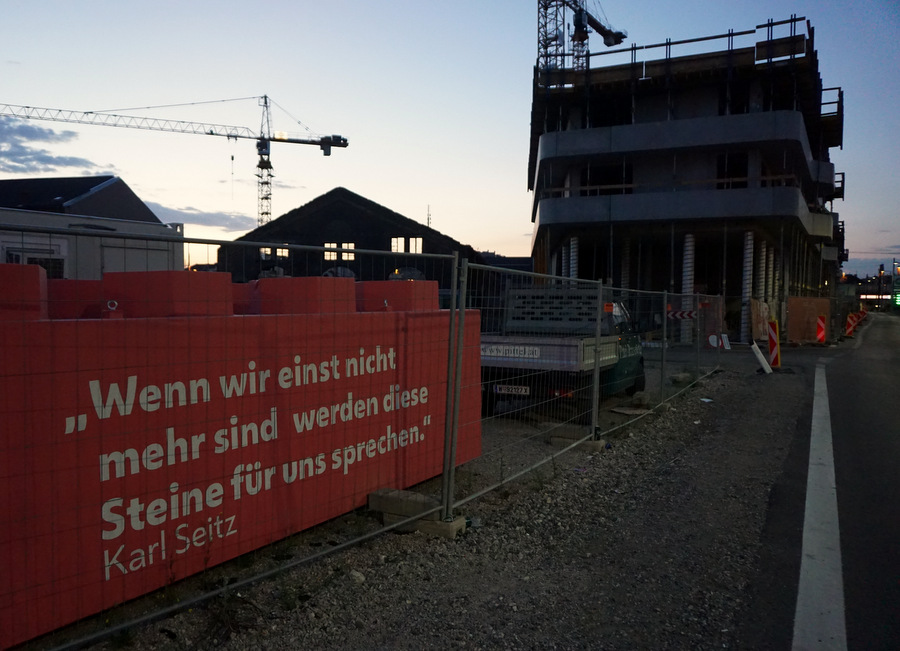
Karl Seitz was an Austrian politician and a member of the Social Democratic Workers’ Party. He served as the mayor of Vienna from 1923 to 1934 34. Seitz was also a member of the Austrian Reichsrat and the president of the National Council. He was born on September 4, 1869, in Vienna and died on February 3, 1950, in Vienna. Seitz was a strong supporter of social democracy and was dismissed from his teaching profession in 1897 because of his social democratic activities.
The Neues Landgut is a new urban district that is being developed close to Vienna’s main railway station and is expected to be completed by 2026/27. The 9-hectare site will be the setting for 1,500 flats and an educational campus, enclosing green spaces and recreational areas.
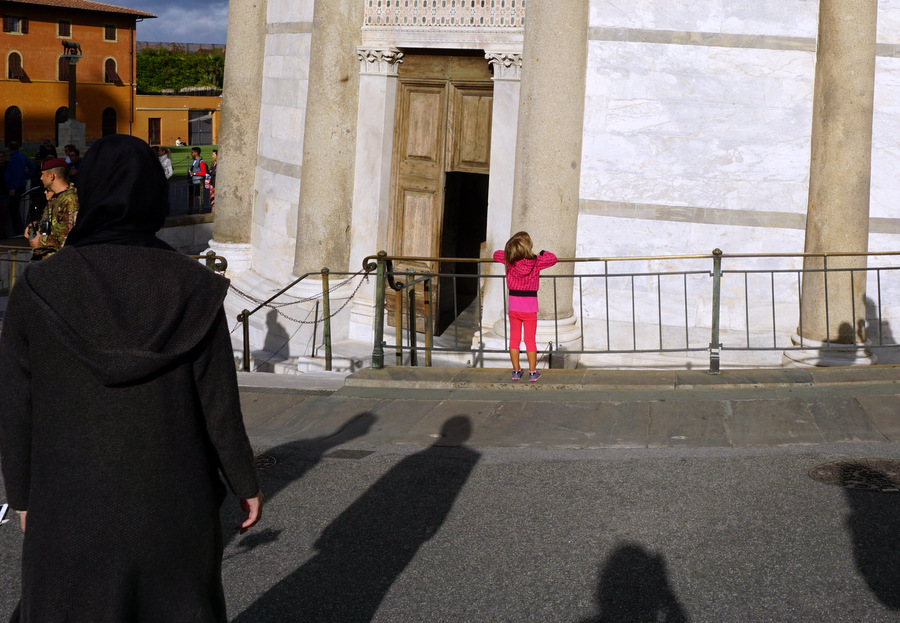
The tower of Pisa, also known as the leaning tower of Pisa, is a famous landmark in the city of Pisa, Italy. It is the bell tower of the cathedral of Pisa, and it is part of a complex of buildings called the Piazza dei Miracoli, or the Square of Miracles. The tower was built in the 12th and 13th centuries, and it is known for its tilt, which is caused by the uneven settling of the foundation on the soft soil. The tower leans about 4 degrees from the vertical, and it has been stabilized by various engineering interventions over the years.





 viennarightnow