Early nights at the Viktor Adler Markt

Photo
Vienna 2017

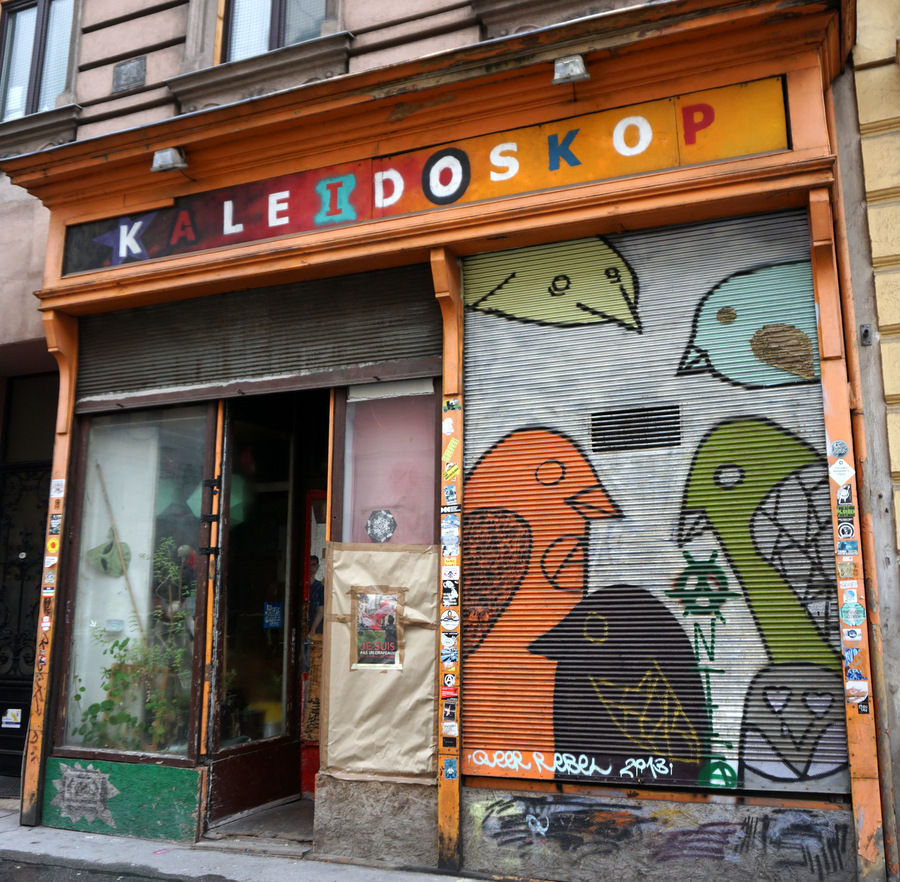
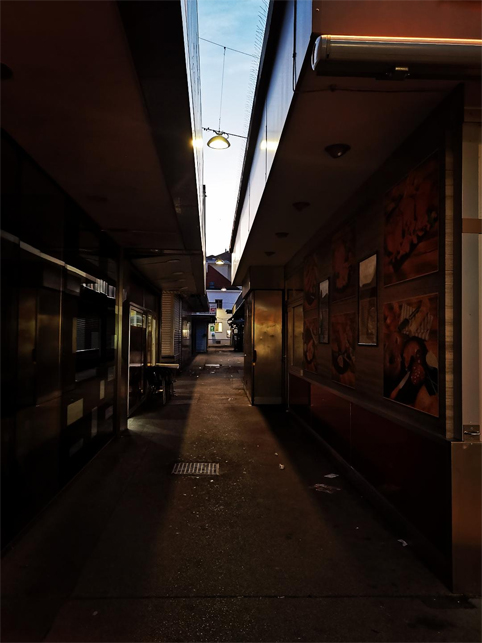
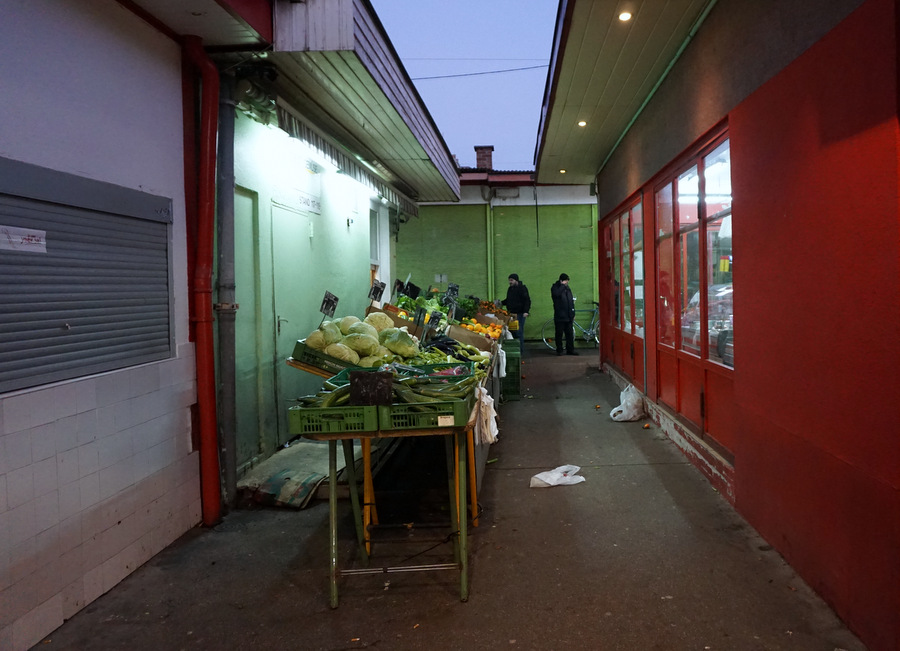
The Viktor Adler Markt, situated in Vienna’s 10th district of Favoriten, stands as a vibrant hub of culinary delights and cultural diversity. Nestled within the bustling Viktor Adler Platz, this market has become a beloved destination for both locals and visitors seeking an authentic Viennese experience.

The market, named after the prominent Austrian politician Viktor Adler, offers a kaleidoscope of colors, scents, and flavors that embody the rich tapestry of Vienna’s culinary heritage. As visitors wander through the stalls, they are greeted by an array of fresh produce, regional delicacies, and international fare. From fragrant herbs and spices to artisanal cheeses, the market showcases the finest ingredients that form the backbone of Viennese cuisine.

One of the highlights of Viktor Adler Markt is its diverse selection of street food stalls, where the aromas of sizzling sausages, aromatic kebabs, and freshly baked pastries waft through the air. This gastronomic diversity reflects the multicultural essence of Vienna’s 10th district, creating a harmonious blend of flavors that caters to a wide range of tastes.

Vinyl

Photo
Vienna 2016

Vinyl records, once a nostalgic relic of the past, have experienced a remarkable resurgence in recent years, captivating audiophiles and music enthusiasts alike. These iconic analog discs, also known simply as “vinyls,” offer a tangible and immersive way to experience the rich tones and nuances of music.

The allure of vinyl records lies not only in their warm, authentic sound but also in the ritualistic experience they provide. From carefully removing the record from its sleeve to delicately placing the needle on the grooves, every step is a deliberate and tactile engagement with the music. Unlike the convenience of digital formats, playing vinyl requires time and attention, fostering a deeper connection between the listener and the music.

Legs or Scopophilia

Photo
Vienna 2023

Laura Mulvey, in her essay “Visual Pleasure and Narrative Cinema,” introduced the concept of “scopophilia” to describe the pleasure derived from looking, particularly in the context of cinema. Scopophilia is derived from the Greek words “skopein” (to look) and “philia” (love), and it refers to the pleasure and satisfaction one experiences through looking at something visually stimulating.

Traditional photography tends to cater to the male gaze, positioning women as objects to be looked at and deriving pleasure from the act of looking. Scopophilia, in this context, is linked to the visual pleasure that comes from the act of observing and objectifying individuals, particularly women.

Bricks

Photo
Vienna 2023

The use of brickstone has quite a notable tradition in Vienna. It dates back to Roman times when it was a prominent building material. However, the brickstone building tradition in Vienna experienced a significant revival during the late 19th and early 20th centuries.

During this period, the Secession movement, which aimed to break away from historical architectural styles and embrace a more modern and innovative approach, played a key role in promoting the use of brickstone. Architects such as Otto Wagner and Josef Hoffmann were instrumental in incorporating this material into their designs.

Kaleidoscope

Photo
Vienna 2016

A kaleidoscope is a cylindrical optical instrument that typically contains two or more reflecting surfaces tilted to each other at an angle, usually 60 degrees. Inside the tube, there are colorful objects, such as glass beads or bits of colored glass, and mirrors that create a symmetrical pattern when viewed through the eyepiece.

When you look into the eyepiece and rotate the kaleidoscope, the colored objects inside reflect off the mirrors, creating intricate and constantly changing patterns. The word “kaleidoscope” is derived from the Greek words “kalos,” meaning beautiful, “eidos,” meaning form, and “skopeo,” meaning to look at. Thus, a kaleidoscope provides a visually stunning and ever-changing display of beautiful patterns.

The Male Gaze

Photo
Vienna 2023

The concept of the “male gaze” is a theoretical framework that originated in feminist film theory, articulated by scholar Laura Mulvey in her groundbreaking essay “Visual Pleasure and Narrative Cinema” in 1975. However, the notion extends beyond cinema and has been widely applied to various aspects of culture, art, and everyday life.

At its core, the male gaze refers to the way in which visual arts and media, often created and controlled by men, depict the world from a distinctly masculine perspective. This perspective objectifies and sexualizes women, reducing them to passive objects of desire for the presumed male viewer. The male gaze perpetuates traditional gender roles and power dynamics, reinforcing societal norms that prioritize the male experience.

Lobau

Photo
Vienna 2023

The Lobau is a part of the Danube floodplains that stretches along the left bank of the Danube between Vienna and the mouth of the March. It is around 22 square kilometers in size and is managed and maintained by the Forestry and Agriculture Department of the City of Vienna. The Lobau is an important habitat for many rare animal and plant species and has been a nature reserve since 1978. The Lobau is also a popular recreational area for the Viennese population and offers many opportunities for leisure activities such as hiking, cycling, swimming, and fishing.

Tetris

Photo
Vienna 2022

The Metropolitan is a residential tower located in the Sonnwendviertel district of Vienna, Austria. The building was designed by the architectural firm DMAA and completed in 2021. The building is a standalone structure and has become a part of the new skyline of Vienna. The Sonnwendviertel district comprises around 5,500 apartments for about 13,000 residents, 20,000 jobs, a school campus, office buildings, and numerous stores as well as a park of about 7 hectares.

Cubist architecture emerged in the early 20th century, inspired by the Cubist art movement1. The leading Cubist architects were Pavel Janák, Josef Gočár, Vlastislav Hofman, Emil Králíček, and Josef Chochol.

This kind of architecture is characterized by the use of geometric shapes, sharp lines, and cubic, unaligned windows. The architects of the movement borrowed heavily from cubist art regarding geometric forms and shapes, diverse elements could be superimposed, made transparent, or penetrate one another. The style was a rebellion against realism and art, and served as a contradiction to what architecture was supposed to look like.