The interior of St. Anton von Padua was originally adorned with a cycle of paintings executed by young artists under the direction of Professor August Wörndle von Andelsried. However, after being damaged during World War II, the interior was painted white during restoration due to the high cost of reconstructing the original paintings.
St. Anton von Padua, located in the tenth district of Vienna, is a significant religious and architectural landmark. The church is built in a Romanesque-Byzantine style, designed by architect Franz Ritter von Neumann. The foundation stone was laid on November 10, 1896, in the presence of Emperor Franz Joseph I., and the construction took exactly six years, completed with generous financial donations from the public.
During the blue hour, the sun is positioned approximately 4 to 6 degrees below the horizon. The resulting light is cold, steely, and imbued with rich hues of blue. Contrary to its name, the blue hour doesn’t last a full hour; its duration varies based on your location, the time of year, and weather conditions. However, it typically encompasses at least civil and nautical twilight, extending beyond what most people expect.
Recommended Camera Settings for Blue Hour Photography
ISO: Keep your ISO low (around 100-400) to minimize noise.
Aperture: Opt for a smaller aperture (higher f-number) to achieve greater depth of field.
Shutter Speed: Since light levels are lower, use a tripod and longer exposure times (seconds to minutes) to capture the scene without blur.
White Balance: Set your white balance to “Daylight” or “Tungsten” to enhance the blue tones.
Composition: Pay attention to framing, leading lines, and silhouettes. Experiment with different angles and perspectives.
Timber has a natural beauty that lends warmth and character to buildings. Its grain patterns and colors can vary widely, offering a range of aesthetic options.
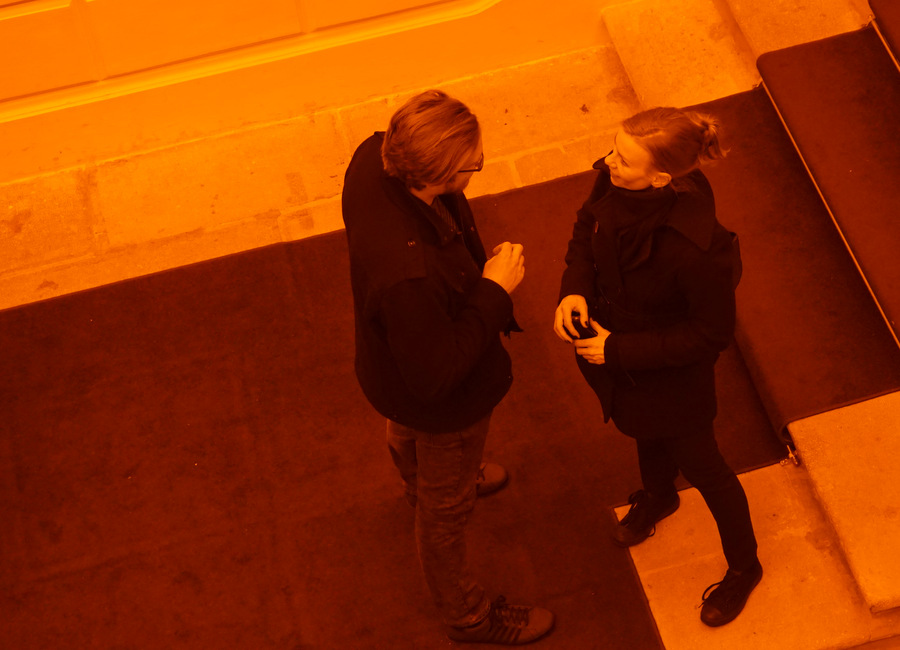
The color orange is a hue that embodies a peculiar mix of energy and warmth. It’s a color that stands out, refuses to blend in, much like an individual who values their uniqueness and isn’t afraid to show it.
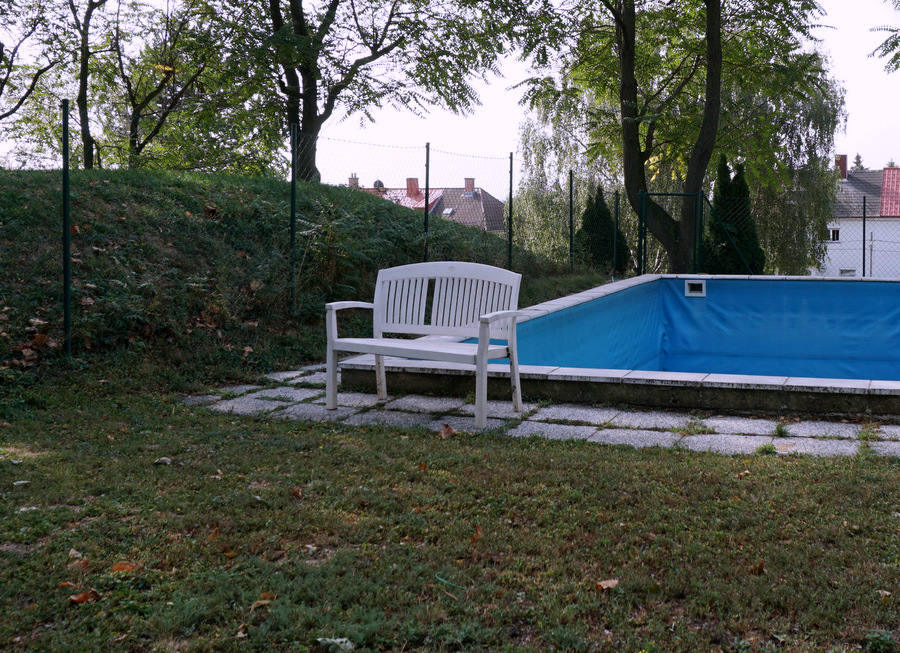
This swimming pool always reminds me of “La piscine”, the great film with Romy Schneider and Alain Delon.
“La Piscine” is known for its stylish cinematography, capturing the glamour of the French Riviera, and the tense, psychological drama that unfolds. The film has gained a reputation as a classic in the erotic thriller genre, and it has been influential for its portrayal of complex relationships and the consequences of jealousy.
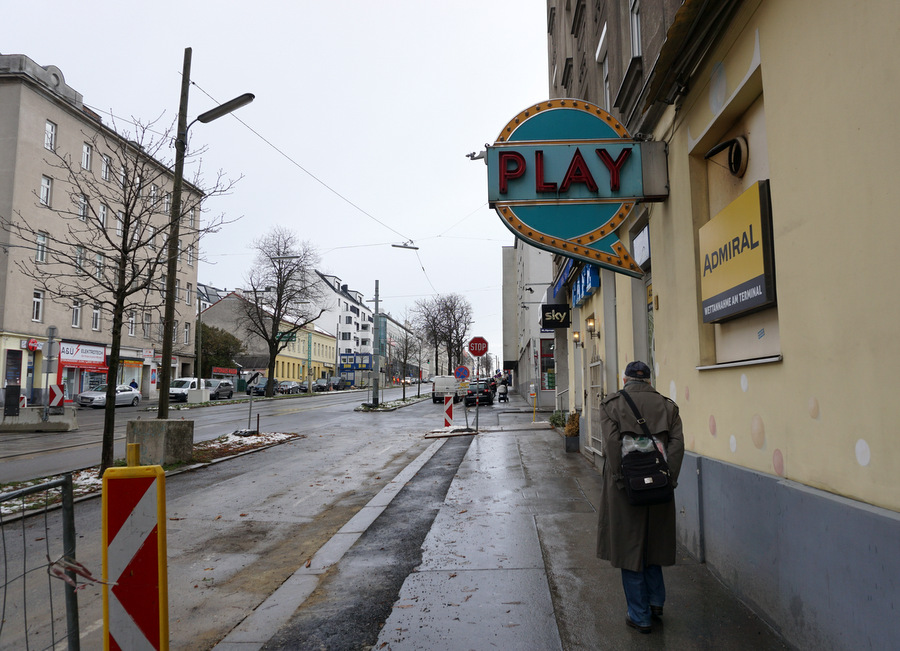
Did you know? The chances of winning in a casino depend on the specific games being played, the rules, and the house edge. Each casino game has its own set of odds, and players need to understand that, in the long run, the odds are usually in favor of the casino. This built-in advantage is known as the “house edge.”
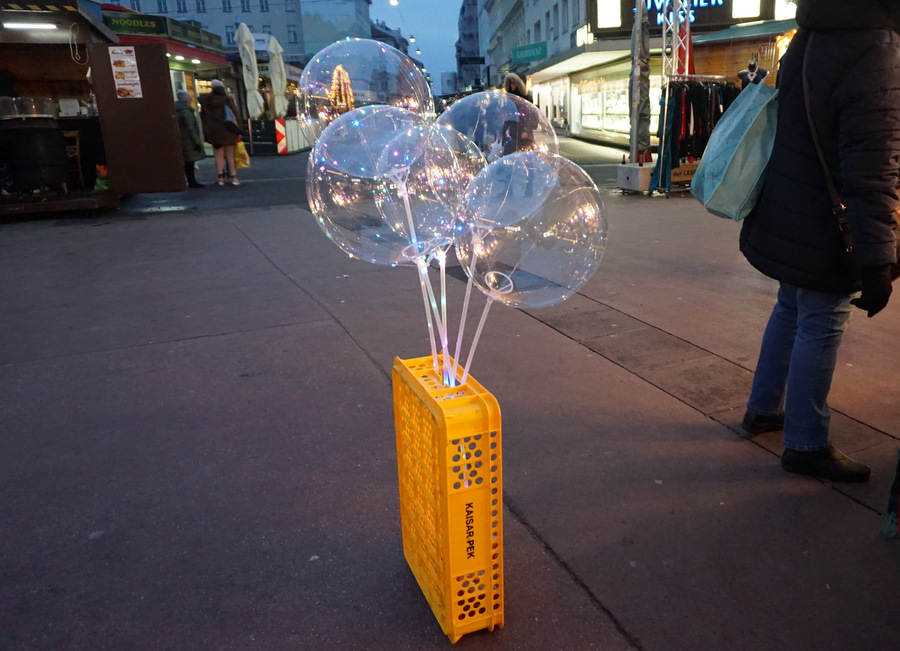
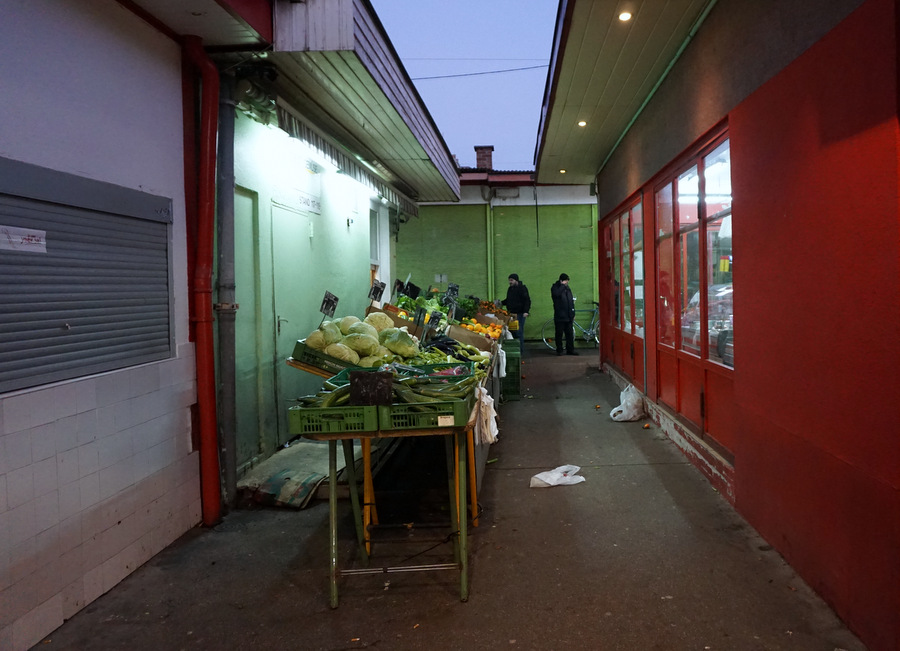
The Viktor Adler Markt, situated in Vienna’s 10th district of Favoriten, stands as a vibrant hub of culinary delights and cultural diversity. Nestled within the bustling Viktor Adler Platz, this market has become a beloved destination for both locals and visitors seeking an authentic Viennese experience.
The market, named after the prominent Austrian politician Viktor Adler, offers a kaleidoscope of colors, scents, and flavors that embody the rich tapestry of Vienna’s culinary heritage. As visitors wander through the stalls, they are greeted by an array of fresh produce, regional delicacies, and international fare. From fragrant herbs and spices to artisanal cheeses, the market showcases the finest ingredients that form the backbone of Viennese cuisine.
One of the highlights of Viktor Adler Markt is its diverse selection of street food stalls, where the aromas of sizzling sausages, aromatic kebabs, and freshly baked pastries waft through the air. This gastronomic diversity reflects the multicultural essence of Vienna’s 10th district, creating a harmonious blend of flavors that caters to a wide range of tastes.
Vinyl records, once a nostalgic relic of the past, have experienced a remarkable resurgence in recent years, captivating audiophiles and music enthusiasts alike. These iconic analog discs, also known simply as “vinyls,” offer a tangible and immersive way to experience the rich tones and nuances of music.
The allure of vinyl records lies not only in their warm, authentic sound but also in the ritualistic experience they provide. From carefully removing the record from its sleeve to delicately placing the needle on the grooves, every step is a deliberate and tactile engagement with the music. Unlike the convenience of digital formats, playing vinyl requires time and attention, fostering a deeper connection between the listener and the music.




 viennarightnow