
Photo
Greifenstein 2024

Street Photographer and Urban Chronist ǀ Vienna ǀ Sony Alpha with Selp 16-50 mm or Sigma 30 mm prime lense ǀ Instagram: viennarightnow
Photo
Greifenstein 2024

Photo
Greifenstein 2024

Photo
Vienna 2024
St. Anton’s exterior is characterized by a 48.5-meter-high dome, two main towers each 51 meters high, and a 25-meter-wide front facade. Around the building, there are 31 mosaics depicting saints.
Photo
Vienna 2024
The interior of St. Anton von Padua was originally adorned with a cycle of paintings executed by young artists under the direction of Professor August Wörndle von Andelsried. However, after being damaged during World War II, the interior was painted white during restoration due to the high cost of reconstructing the original paintings.
Photo
Vienna 2024
St. Anton von Padua, located in the tenth district of Vienna, is a significant religious and architectural landmark. The church is built in a Romanesque-Byzantine style, designed by architect Franz Ritter von Neumann. The foundation stone was laid on November 10, 1896, in the presence of Emperor Franz Joseph I., and the construction took exactly six years, completed with generous financial donations from the public.
Photo
Vienna 2023
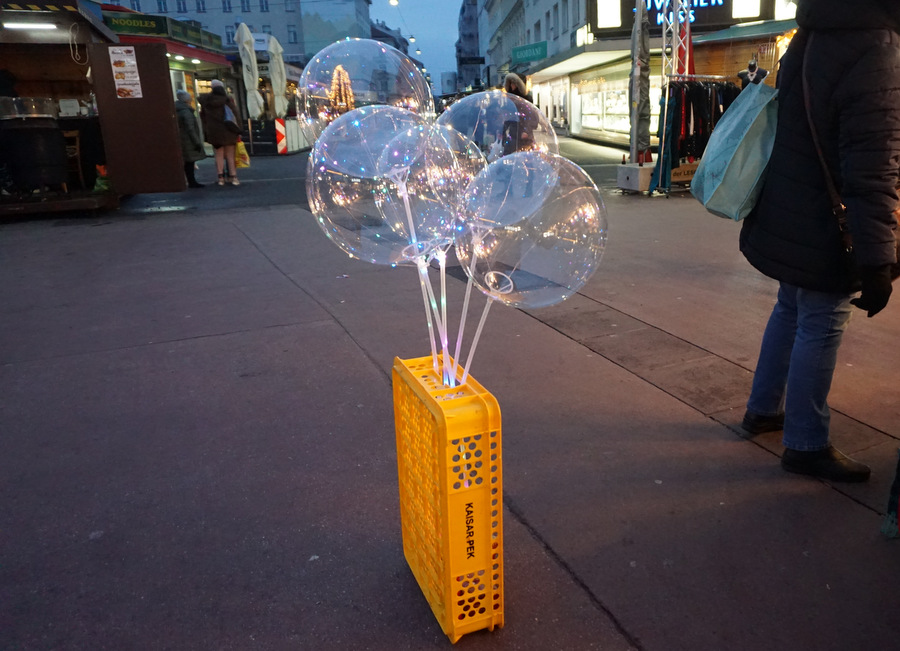
During the blue hour, the sun is positioned approximately 4 to 6 degrees below the horizon. The resulting light is cold, steely, and imbued with rich hues of blue. Contrary to its name, the blue hour doesn’t last a full hour; its duration varies based on your location, the time of year, and weather conditions. However, it typically encompasses at least civil and nautical twilight, extending beyond what most people expect.
Photo
Vienna 2023
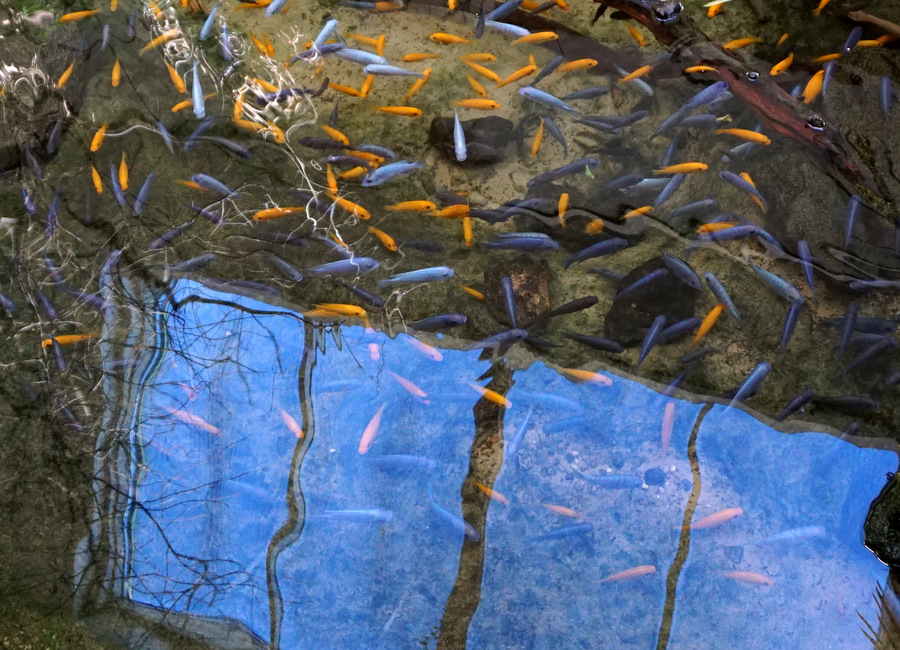
“There’s plenty more fish in the sea
Dry your eyes, mate”
Lyrics from Dry your Eyes by The Streets

Photo
Vienna 2023
Laura Mulvey, in her essay “Visual Pleasure and Narrative Cinema,” introduced the concept of “scopophilia” to describe the pleasure derived from looking, particularly in the context of cinema. Scopophilia is derived from the Greek words “skopein” (to look) and “philia” (love), and it refers to the pleasure and satisfaction one experiences through looking at something visually stimulating.
Traditional photography tends to cater to the male gaze, positioning women as objects to be looked at and deriving pleasure from the act of looking. Scopophilia, in this context, is linked to the visual pleasure that comes from the act of observing and objectifying individuals, particularly women.

Photo
Vienna 2016
Colors, as they transition seamlessly through gradients, offer a metaphorical lens through which one can contemplate the nature of impermanence, the interplay of contrasts, and the quest for harmony in the ever-shifting tapestry of existence.

Photo
Vienna 2023
Architects often employ color blocking to emphasize specific zones or elements of a building, providing a clear visual hierarchy. This approach allows for the creation of focal points, guiding the observer’s gaze and shaping their experience of the space. Exterior facades, interior walls, and even structural elements such as columns or beams become canvases for the deliberate application of color.

