Bulbs

Photo
Vienna 2024

The interior of St. Anton von Padua was originally adorned with a cycle of paintings executed by young artists under the direction of Professor August Wörndle von Andelsried. However, after being damaged during World War II, the interior was painted white during restoration due to the high cost of reconstructing the original paintings.

Shadowplay

Photo
Vienna 2024

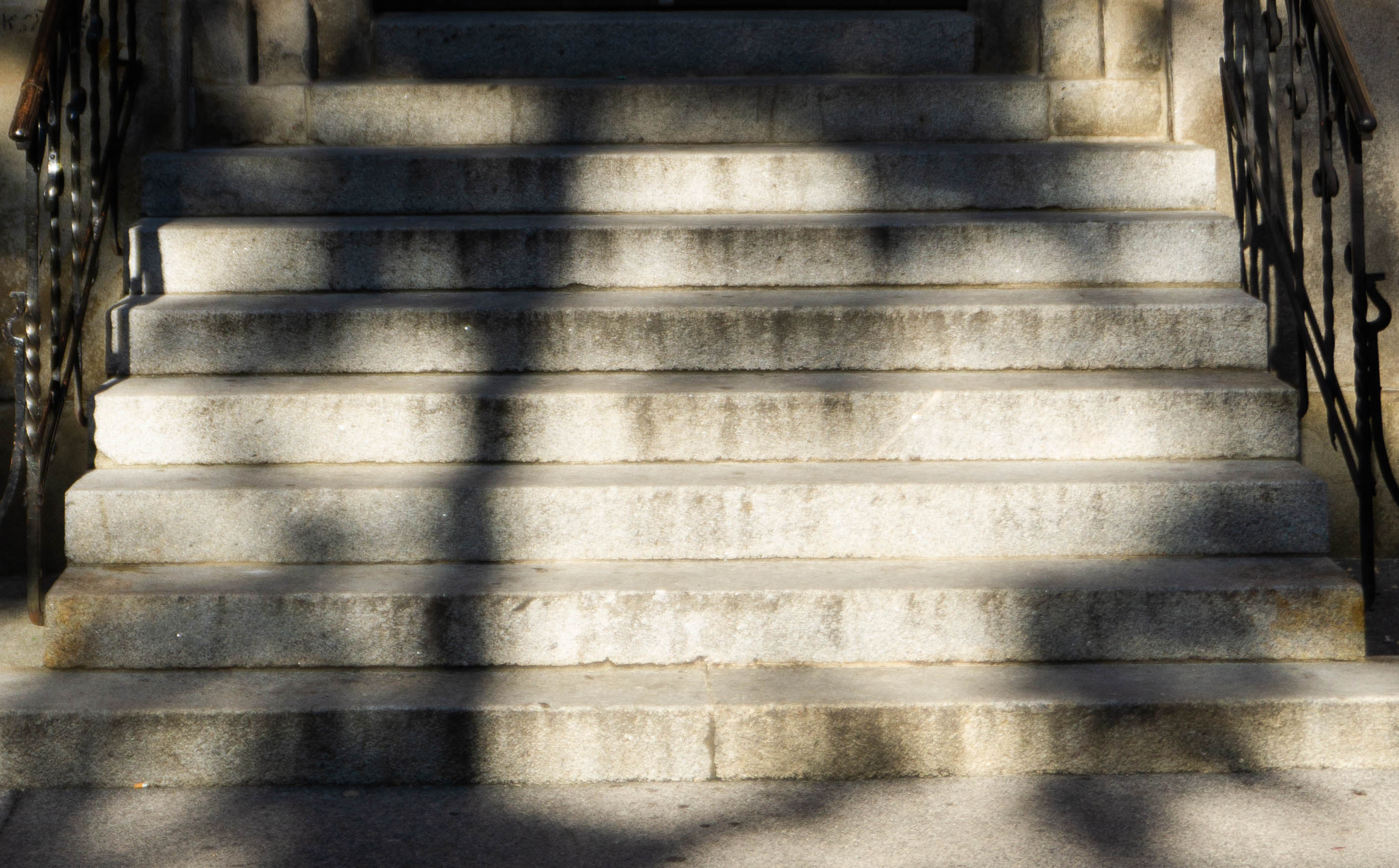
St. Anton von Padua, located in the tenth district of Vienna, is a significant religious and architectural landmark. The church is built in a Romanesque-Byzantine style, designed by architect Franz Ritter von Neumann. The foundation stone was laid on November 10, 1896, in the presence of Emperor Franz Joseph I., and the construction took exactly six years, completed with generous financial donations from the public.

Blue

Photo
Vienna 2023

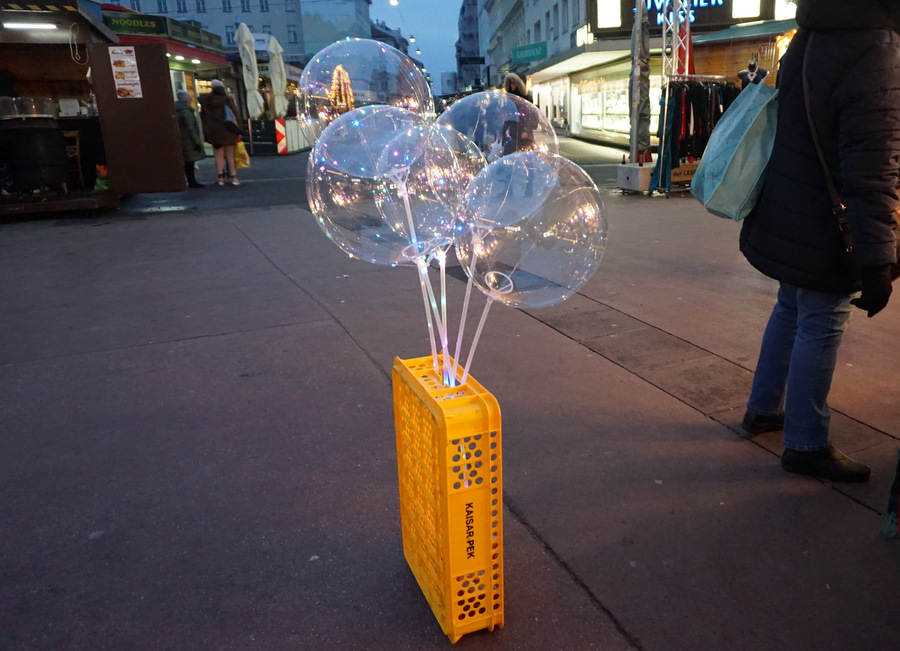
During the blue hour, the sun is positioned approximately 4 to 6 degrees below the horizon. The resulting light is cold, steely, and imbued with rich hues of blue. Contrary to its name, the blue hour doesn’t last a full hour; its duration varies based on your location, the time of year, and weather conditions. However, it typically encompasses at least civil and nautical twilight, extending beyond what most people expect.

Recommended Camera Settings for Blue Hour Photography
  1. ISO: Keep your ISO low (around 100-400) to minimize noise.
  2. Aperture: Opt for a smaller aperture (higher f-number) to achieve greater depth of field.
  3. Shutter Speed: Since light levels are lower, use a tripod and longer exposure times (seconds to minutes) to capture the scene without blur.
  4. White Balance: Set your white balance to “Daylight” or “Tungsten” to enhance the blue tones.
  5. Composition: Pay attention to framing, leading lines, and silhouettes. Experiment with different angles and perspectives.

Legs or Scopophilia

Photo
Vienna 2023

Laura Mulvey, in her essay “Visual Pleasure and Narrative Cinema,” introduced the concept of “scopophilia” to describe the pleasure derived from looking, particularly in the context of cinema. Scopophilia is derived from the Greek words “skopein” (to look) and “philia” (love), and it refers to the pleasure and satisfaction one experiences through looking at something visually stimulating.

Traditional photography tends to cater to the male gaze, positioning women as objects to be looked at and deriving pleasure from the act of looking. Scopophilia, in this context, is linked to the visual pleasure that comes from the act of observing and objectifying individuals, particularly women.