
Photo
Vienna 2024

Street Photographer and Urban Chronist ǀ Vienna ǀ Sony Alpha with Selp 16-50 mm or Sigma 30 mm prime lense ǀ Instagram: viennarightnow
Photo
Vienna 2024
Photo
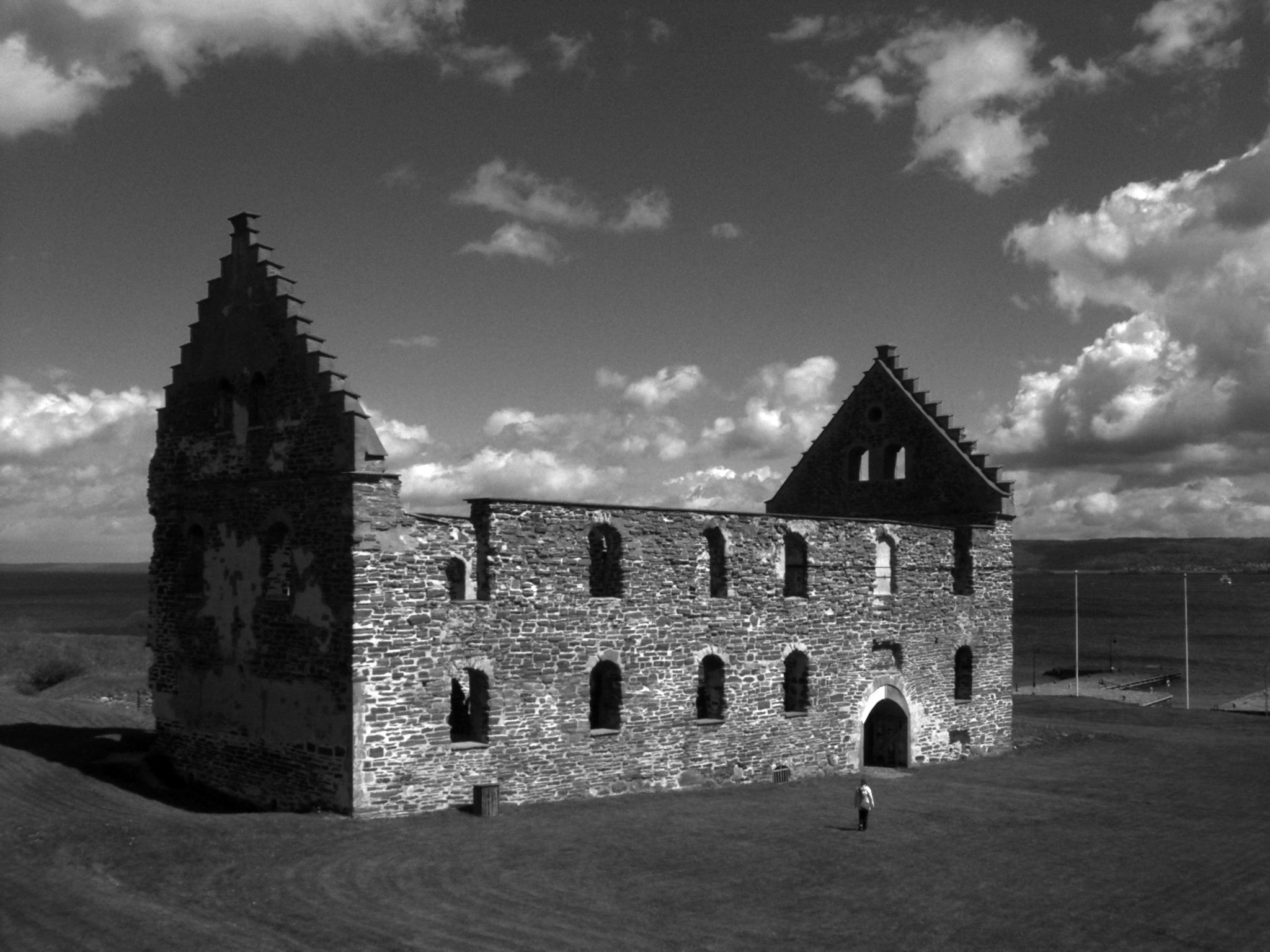
Visingsö 2004
“Visingsborg” is the designation for a county and a castle on the eastern side of the island Visingsö in Lake Vättern, Sweden. Both are historically closely connected with the Brahe family.
The castle was built in the 1560s as a square with four towers and a moat. Stones from the Alvastra Monastery were also used in its construction. The old castle on Visingsö, Näs slott, had long been a ruin by this time. The county included locations on the island as well as in Småland and Västergötland, totaling 468 farms in 1569 and an additional 100 in the 1640s. In 1654, Count Per Brahe the Younger obtained jurisdiction over the inhabitants of Visingsö.
As a result of a fire on the night of December 22 to 23, 1718, the castle was ruined. Russian prisoners of war from the Great Northern War, relocated there at the time, were accused of starting the fire.
The builders of the castle were:

Photo
Pisa 2017
Don’t feel guilty if you need a nap
It’s not a sign of weakness or a trap
It’s a healthy habit that can make you smile
And give you more energy and style
Photo
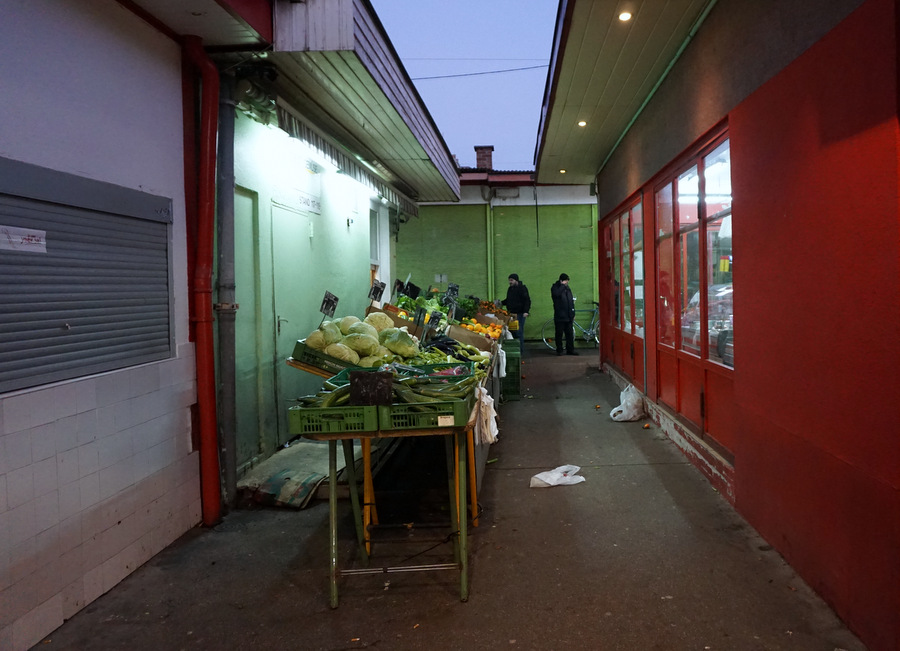
Vienna 2017
The Viktor Adler Markt, situated in Vienna’s 10th district of Favoriten, stands as a vibrant hub of culinary delights and cultural diversity. Nestled within the bustling Viktor Adler Platz, this market has become a beloved destination for both locals and visitors seeking an authentic Viennese experience.
The market, named after the prominent Austrian politician Viktor Adler, offers a kaleidoscope of colors, scents, and flavors that embody the rich tapestry of Vienna’s culinary heritage. As visitors wander through the stalls, they are greeted by an array of fresh produce, regional delicacies, and international fare. From fragrant herbs and spices to artisanal cheeses, the market showcases the finest ingredients that form the backbone of Viennese cuisine.
One of the highlights of Viktor Adler Markt is its diverse selection of street food stalls, where the aromas of sizzling sausages, aromatic kebabs, and freshly baked pastries waft through the air. This gastronomic diversity reflects the multicultural essence of Vienna’s 10th district, creating a harmonious blend of flavors that caters to a wide range of tastes.

Photo
Vienna 2016
Vinyl records, once a nostalgic relic of the past, have experienced a remarkable resurgence in recent years, captivating audiophiles and music enthusiasts alike. These iconic analog discs, also known simply as “vinyls,” offer a tangible and immersive way to experience the rich tones and nuances of music.
The allure of vinyl records lies not only in their warm, authentic sound but also in the ritualistic experience they provide. From carefully removing the record from its sleeve to delicately placing the needle on the grooves, every step is a deliberate and tactile engagement with the music. Unlike the convenience of digital formats, playing vinyl requires time and attention, fostering a deeper connection between the listener and the music.

Photo
Vienna 2023
Architects often employ color blocking to emphasize specific zones or elements of a building, providing a clear visual hierarchy. This approach allows for the creation of focal points, guiding the observer’s gaze and shaping their experience of the space. Exterior facades, interior walls, and even structural elements such as columns or beams become canvases for the deliberate application of color.
Photo
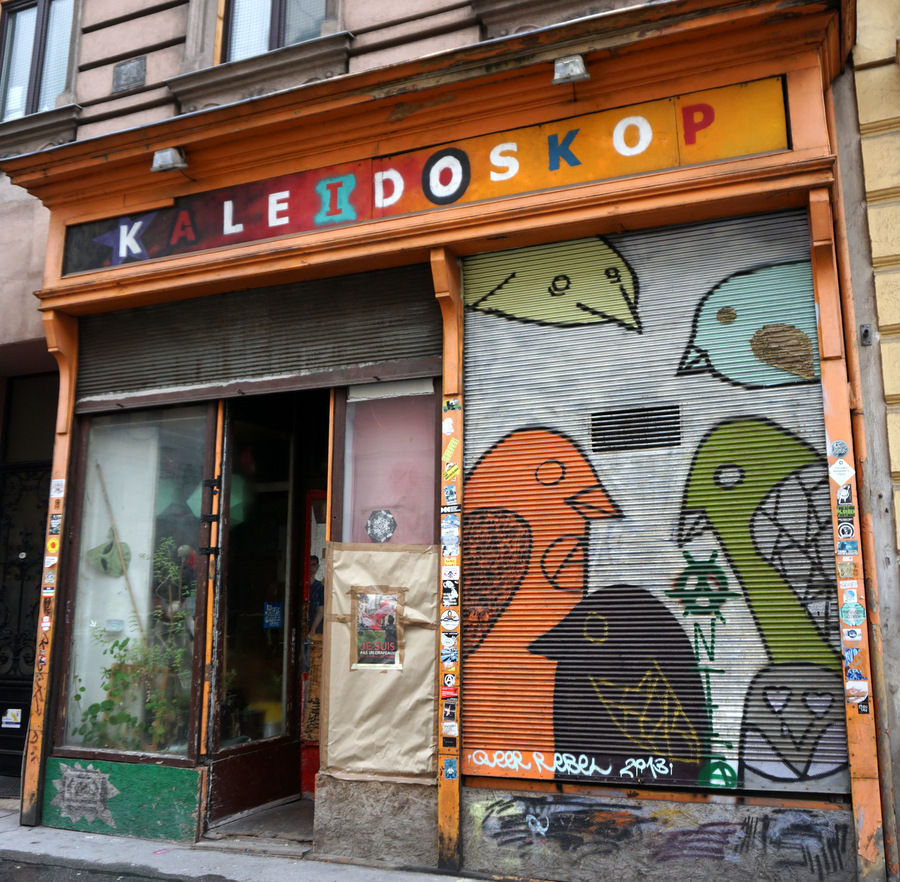
Vienna 2016
A kaleidoscope is a cylindrical optical instrument that typically contains two or more reflecting surfaces tilted to each other at an angle, usually 60 degrees. Inside the tube, there are colorful objects, such as glass beads or bits of colored glass, and mirrors that create a symmetrical pattern when viewed through the eyepiece.
When you look into the eyepiece and rotate the kaleidoscope, the colored objects inside reflect off the mirrors, creating intricate and constantly changing patterns. The word “kaleidoscope” is derived from the Greek words “kalos,” meaning beautiful, “eidos,” meaning form, and “skopeo,” meaning to look at. Thus, a kaleidoscope provides a visually stunning and ever-changing display of beautiful patterns.

Photo
Vienna 2023
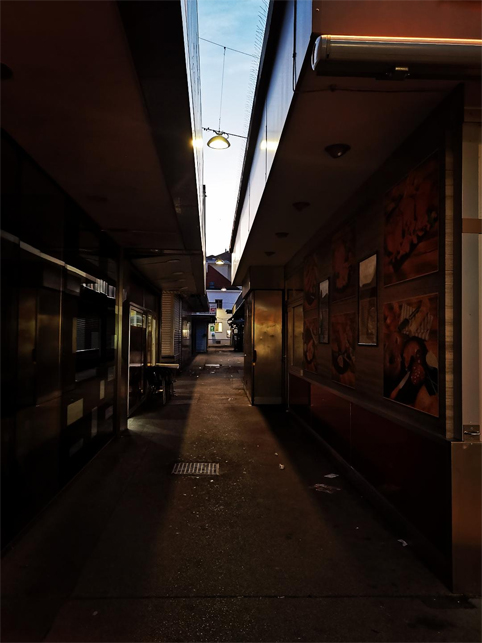
The photo shows the pathology building of the Vienna Hospital on the Steinhofgründe, opened in 1907.
The Memento Mori principle, translated from Latin as “remember that you will die,” serves as a poignant reminder of life’s impermanence. Rooted in ancient philosophy and art, this concept encourages individuals to contemplate their mortality, fostering a deeper appreciation for the present moment and a mindful approach to life.
The roots of Memento Mori can be traced back to ancient Rome, where it was a central theme in Stoic philosophy. Philosophers like Seneca and Marcus Aurelius embraced the idea as a means of cultivating resilience and wisdom. In medieval Europe, the concept found expression in art, particularly in the form of skeletal imagery and symbols of death, serving as a visual reminder of life’s fleeting nature.
Photo
Vienna 2023
In the vast expanse of existence, the journey of life unfolds along intricate pathways, each choice a divergence in the infinite web of possibilities. These paths, these ways, are not merely physical trajectories but profound metaphors for the essence of our existence.

Photo
Vienna 2023
The Lobau is a part of the Danube floodplains that stretches along the left bank of the Danube between Vienna and the mouth of the March. It is around 22 square kilometers in size and is managed and maintained by the Forestry and Agriculture Department of the City of Vienna. The Lobau is an important habitat for many rare animal and plant species and has been a nature reserve since 1978. The Lobau is also a popular recreational area for the Viennese population and offers many opportunities for leisure activities such as hiking, cycling, swimming, and fishing.
 viennarightnow