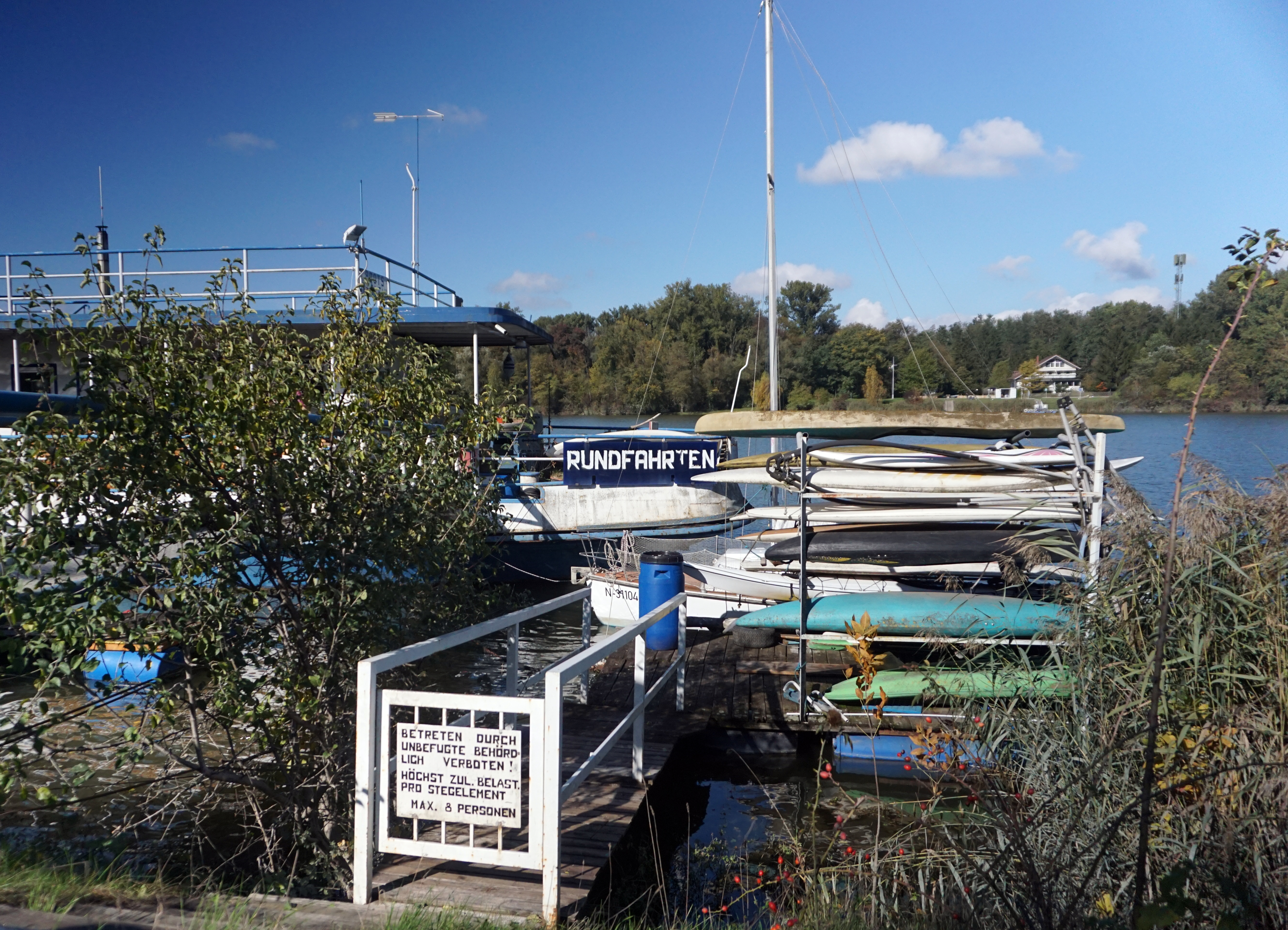
Photo
Greifenstein 2024

Street Photographer and Urban Chronist ǀ Vienna ǀ Sony Alpha with Selp 16-50 mm or Sigma 30 mm prime lense ǀ Instagram: viennarightnow
Photo
Greifenstein 2024
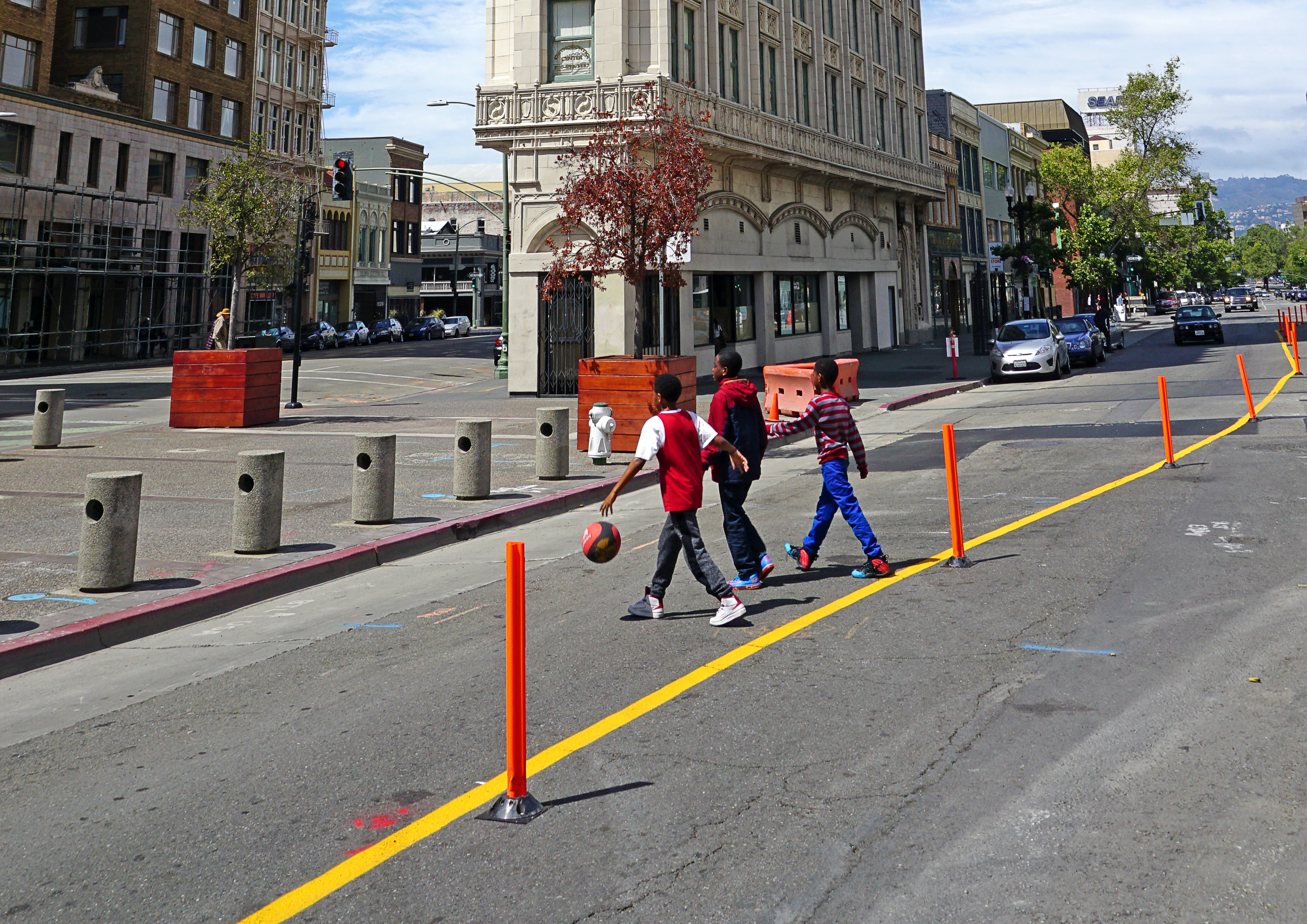
Photo
Oakland 2015

Photo
Greifenstein 2024

Photo
Greifenstein 2024

Photo
Greifenstein 2024

Photo
Greifenstein 2024
Greifenstein is a lakeside village located northwest of Klosterneuburg on the right bank of the Danube River, with a population of 193 inhabitants (as of 2024). It belongs to the Lower Austrian market town of St. Andrä-Wördern and has merged with the neighboring village of Altenberg.
The village is known for Greifenstein Castle and the Greifenstein Danube hydroelectric power plant.
Greifenstein was first mentioned in a document in 1135 and, with its castle, was the eastern corner of the Passau possessions.
According to the Austrian address book of 1938, there were two bakers, one butcher, four innkeepers, two general stores, one coffee house, two milkmen, one fruit and vegetable dealer, one stationery dealer, one tailor, and two shoemakers in the municipality of Greifenstein.
As part of the municipal reform, the municipality of Greifenstein was merged in 1972 with the municipalities of St. Andrä vor dem Hagenthale, Wördern, Hintersdorf, and Kirchbach to form the market town of St. Andrä-Wördern.

Photo
Vienna 2024
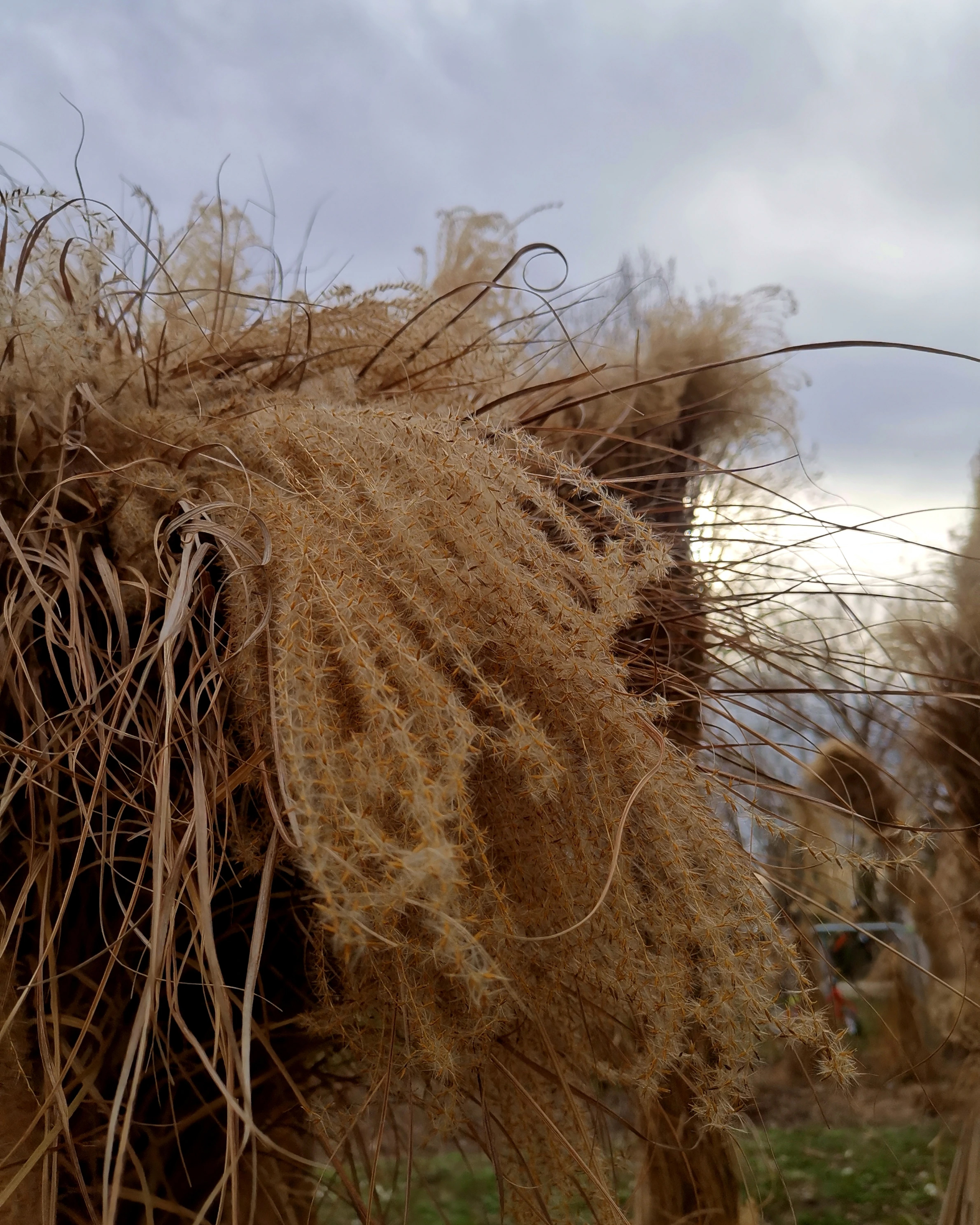
Photo
Tulln 2024
The floodplains along the Danube River play a crucial role in maintaining the health of this waterway. Their significance comes from:
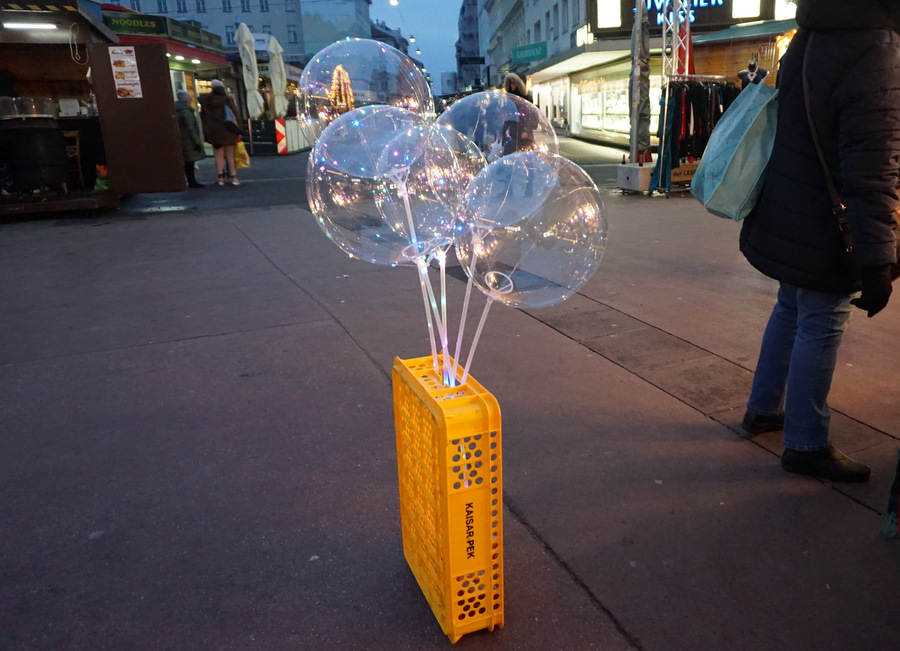
Photo
Vienna 2023
During the blue hour, the sun is positioned approximately 4 to 6 degrees below the horizon. The resulting light is cold, steely, and imbued with rich hues of blue. Contrary to its name, the blue hour doesn’t last a full hour; its duration varies based on your location, the time of year, and weather conditions. However, it typically encompasses at least civil and nautical twilight, extending beyond what most people expect.
Photo
Vienna 2023
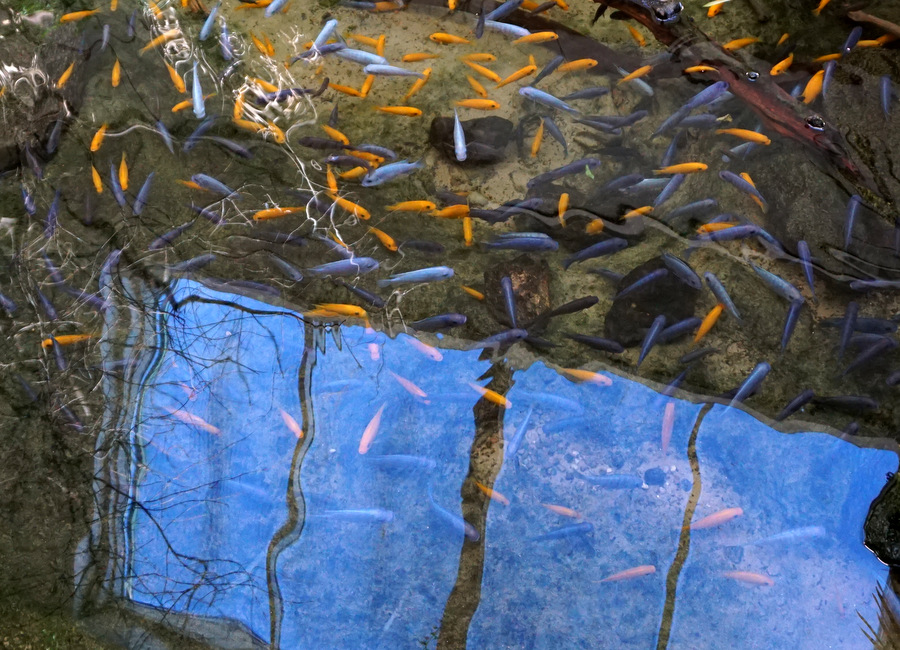
“There’s plenty more fish in the sea
Dry your eyes, mate”
Lyrics from Dry your Eyes by The Streets
 viennarightnow