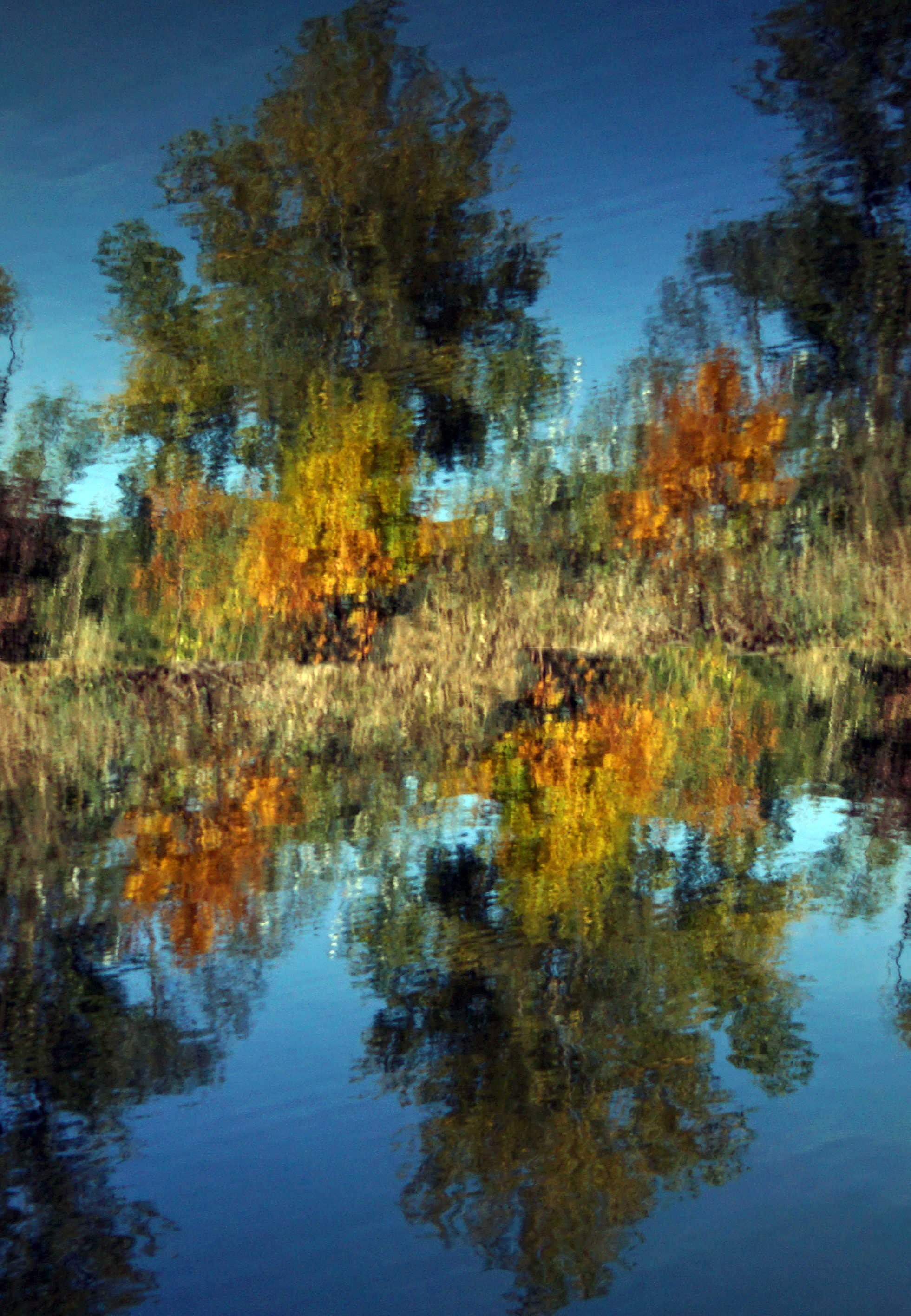
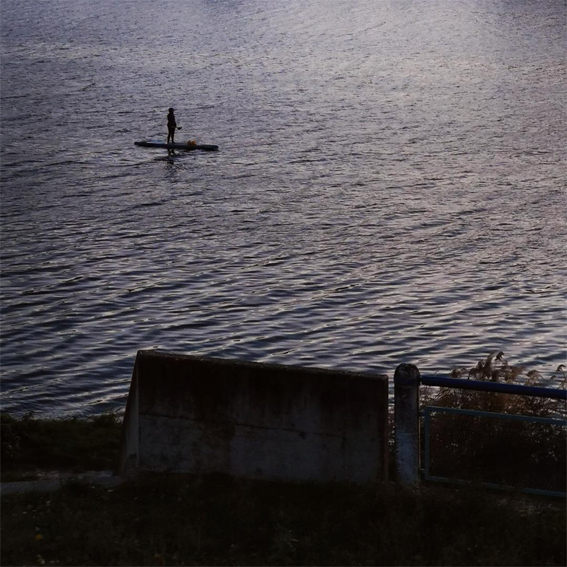
Golden leaves, a canvas painted by nature, Mirrored in the still waters below. A scene of tranquility, captured in light and shadow. Impressionistic strokes, soft and fleeting, A dance of colors, a symphony of hues. Autumn’s embrace, a serene and fleeting moment.
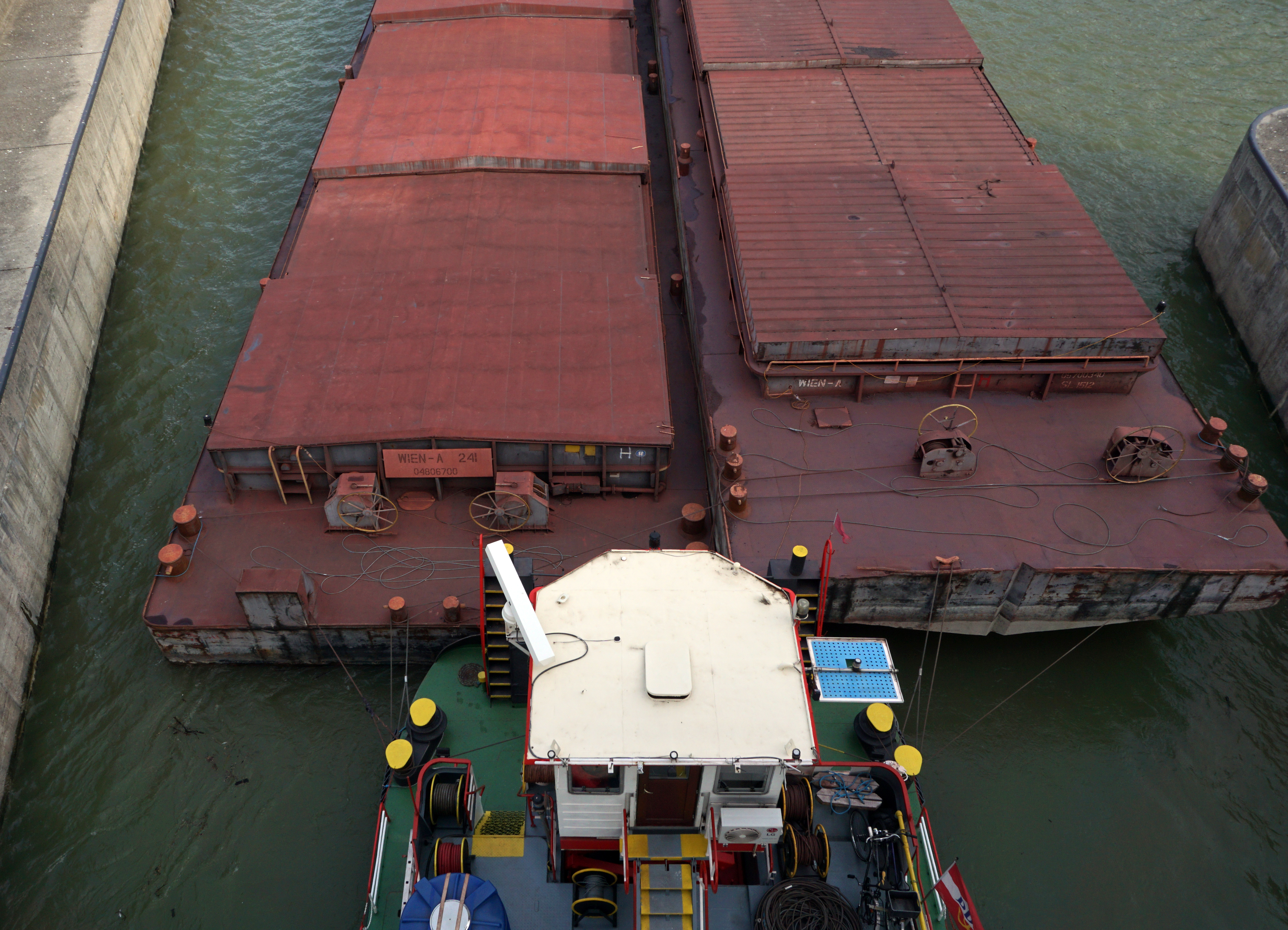
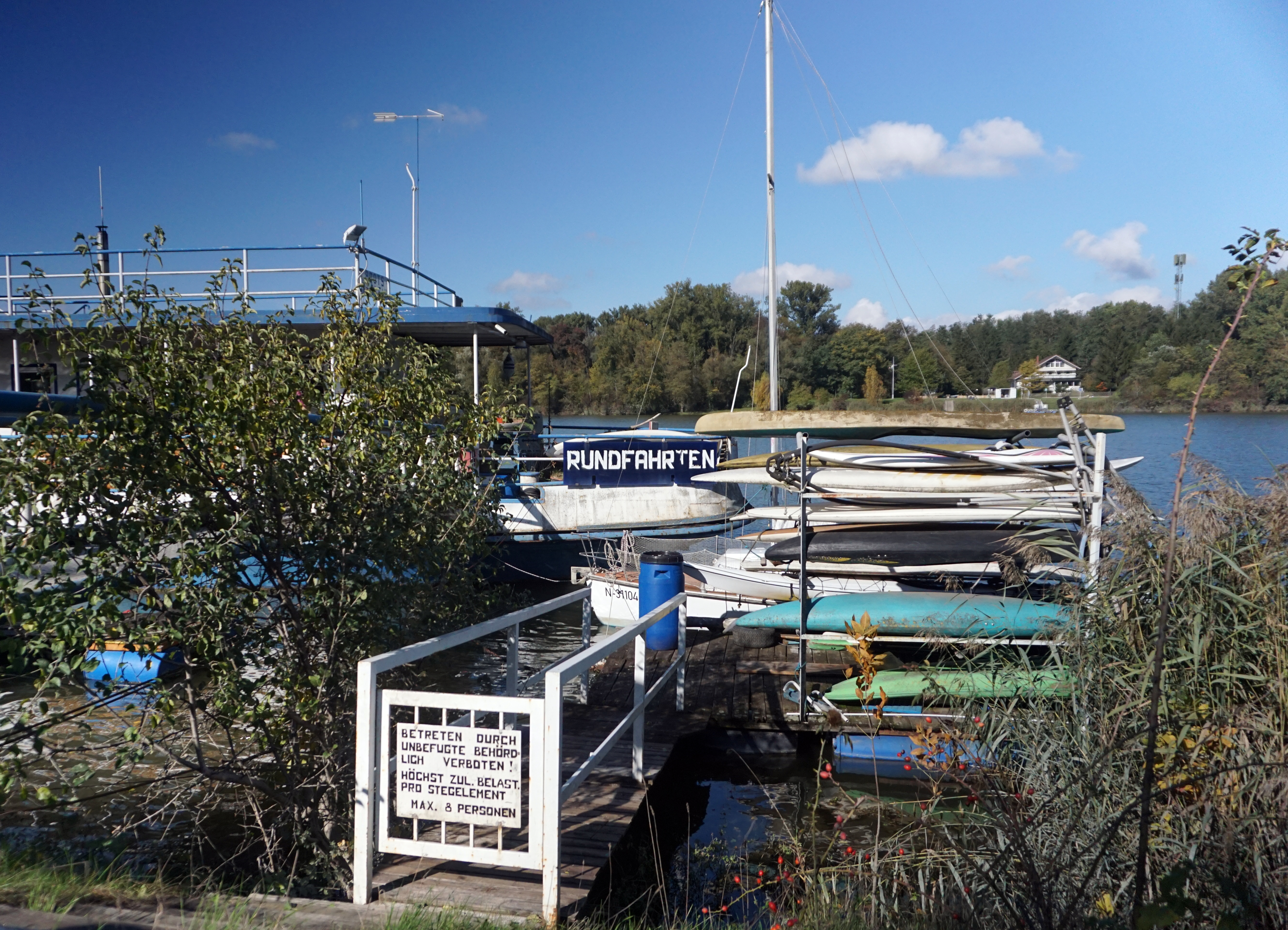
Push boats, also known as pusher boats or towboats, are vessels designed to push barges or other large floating structures. They are commonly used on rivers and inland waterways for transporting goods, such as coal, oil, and agricultural products. Above is a push boat passing the Danube Power Plant Greifenstein is a run-of-river hydroelectric power plant located on the Danube River in Stockerau, Lower Austria. It is considered an ecologically friendly power plant, as it has a minimal impact on the environment. The “Giessgang,” a man-made wetland created during the construction of the power plant, is a significant ecological feature that provides habitat for various plant and animal species.
The floodplains along the Danube River play a crucial role in maintaining the health of this waterway. Their significance comes from:
Flood Control and Risk Reduction:
Floodplains act as natural sponges, absorbing excess water during heavy rainfall or snowmelt. By doing so, they help prevent downstream flooding in urban and rural areas.
When the river swells beyond its banks, floodplains provide a buffer zone, allowing water to spread out gradually. This reduces the impact of sudden floods and protects communities, infrastructure, and agricultural land.
Water Purification:
As water flows through floodplains, it undergoes natural filtration. Wetlands and marshes within floodplains remove pollutants, sediments, and excess nutrients.
This purification process enhances water quality, benefiting both human consumption and aquatic ecosystems.
Biodiversity Hotspots:
Floodplains support diverse plant and animal species. Their unique habitats include wetlands, meadows, and riparian forests.
These areas provide breeding grounds for fish, amphibians, and waterfowl. Many migratory birds rely on floodplains as stopover points during their journeys.





 viennarightnow