Push boat

Photo
Greifenstein 2024

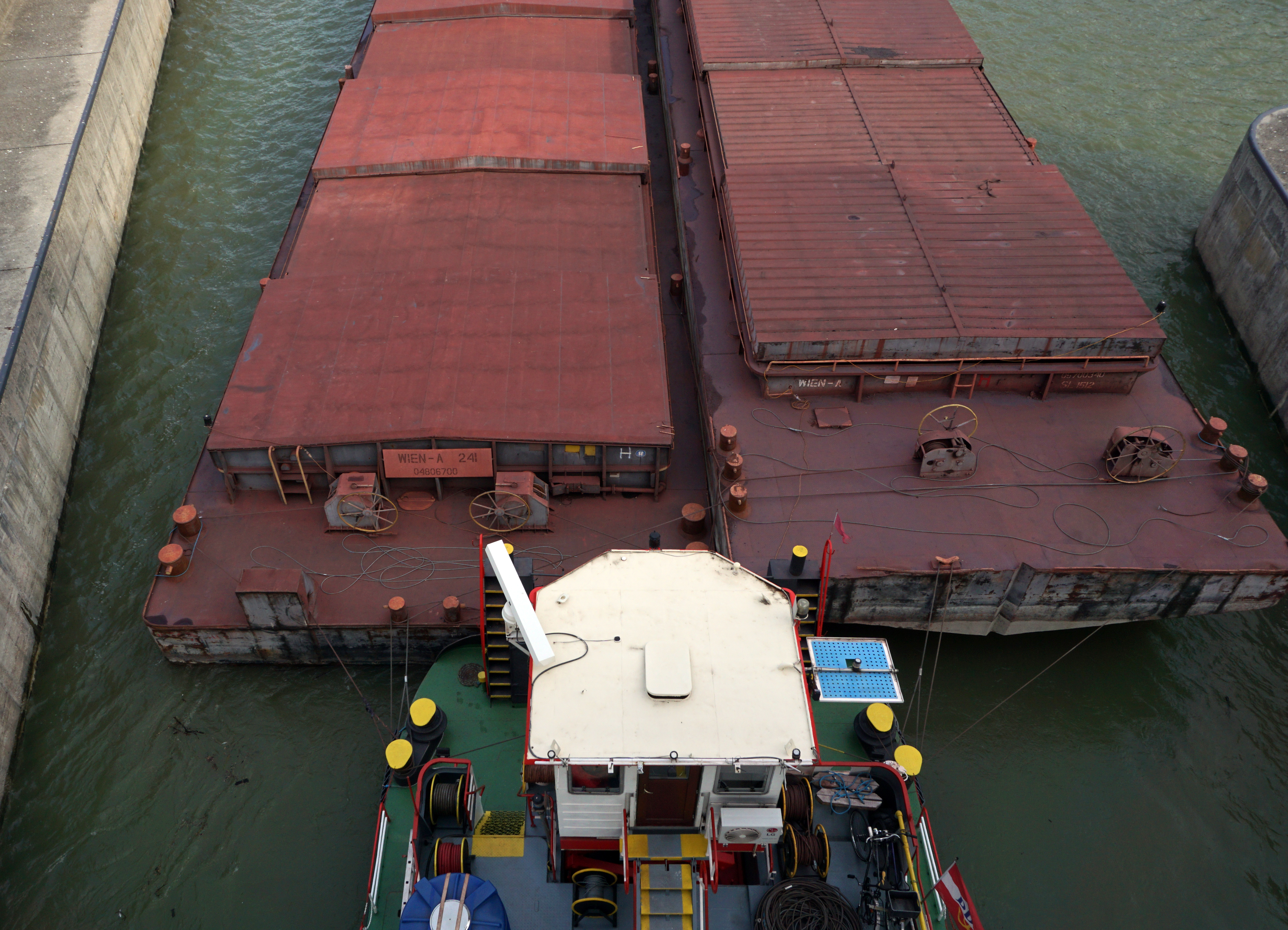
Push boats, also known as pusher boats or towboats, are vessels designed to push barges or other large floating structures. They are commonly used on rivers and inland waterways for transporting goods, such as coal, oil, and agricultural products. Above is a push boat passing the Danube Power Plant Greifenstein is a run-of-river hydroelectric power plant located on the Danube River in Stockerau, Lower Austria. It is considered an ecologically friendly power plant, as it has a minimal impact on the environment. The “Giessgang,” a man-made wetland created during the construction of the power plant, is a significant ecological feature that provides habitat for various plant and animal species.  

The Photographer

Photo
Greifenstein 2024

A curious eye, a steady hand,
A world captured in a frame.
A photographer, a seeker of truth,
A storyteller, a silent observer.
She frames the world, one moment at a time.
Each click of the shutter, a memory preserved.
A visual language, her passion, her art.

Tiny house

Photo
Greifenstein 2024

Greifenstein is a lakeside village located northwest of Klosterneuburg on the right bank of the Danube River, with a population of 193 inhabitants (as of 2024). It belongs to the Lower Austrian market town of St. Andrä-Wördern and has merged with the neighboring village of Altenberg.

The village is known for Greifenstein Castle and the Greifenstein Danube hydroelectric power plant.

Greifenstein was first mentioned in a document in 1135 and, with its castle, was the eastern corner of the Passau possessions.

According to the Austrian address book of 1938, there were two bakers, one butcher, four innkeepers, two general stores, one coffee house, two milkmen, one fruit and vegetable dealer, one stationery dealer, one tailor, and two shoemakers in the municipality of Greifenstein.

As part of the municipal reform, the municipality of Greifenstein was merged in 1972 with the municipalities of St. Andrä vor dem Hagenthale, Wördern, Hintersdorf, and Kirchbach to form the market town of St. Andrä-Wördern.