Photo
Vienna 2023
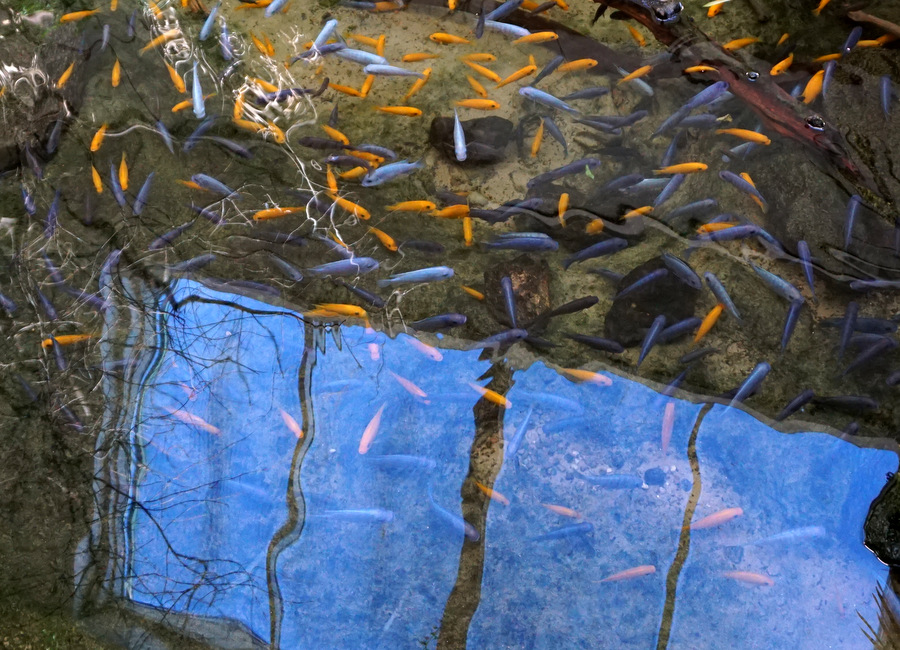
“There’s plenty more fish in the sea
Dry your eyes, mate”
Lyrics from Dry your Eyes by The Streets

Street Photographer and Urban Chronist ǀ Vienna ǀ Sony Alpha with Selp 16-50 mm or Sigma 30 mm prime lense ǀ Instagram: viennarightnow
Photo
Vienna 2023
“There’s plenty more fish in the sea
Dry your eyes, mate”
Lyrics from Dry your Eyes by The Streets

Photo
Vienna 2016
Timber has a natural beauty that lends warmth and character to buildings. Its grain patterns and colors can vary widely, offering a range of aesthetic options.
Photo
Vienna 2016
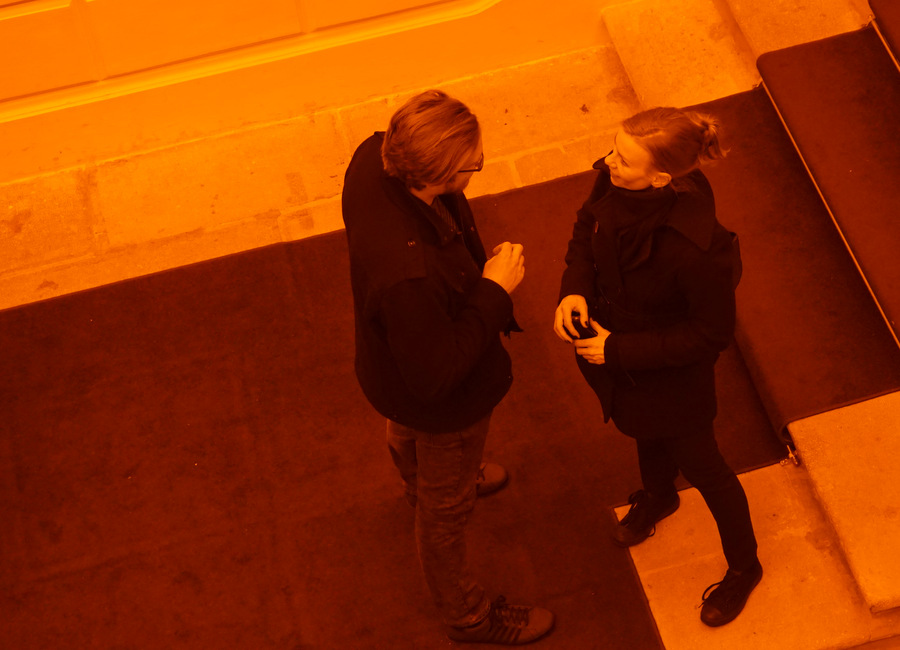
The color orange is a hue that embodies a peculiar mix of energy and warmth. It’s a color that stands out, refuses to blend in, much like an individual who values their uniqueness and isn’t afraid to show it.
Photo
Vättern 2004
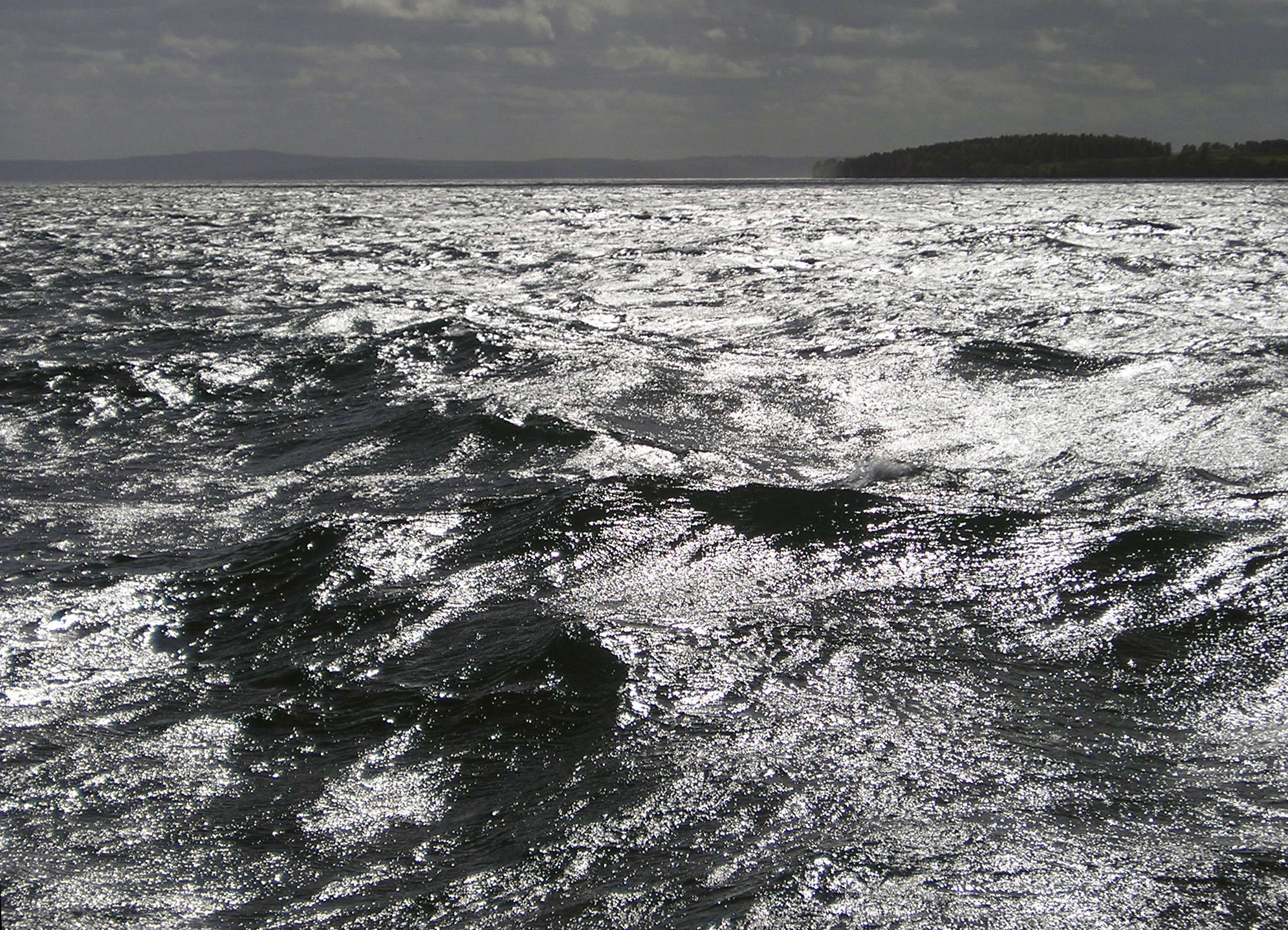
The sea devours all—hope, love, and strife,
Its hunger insatiable, its depths unseen
Photo
Visingsö 2004
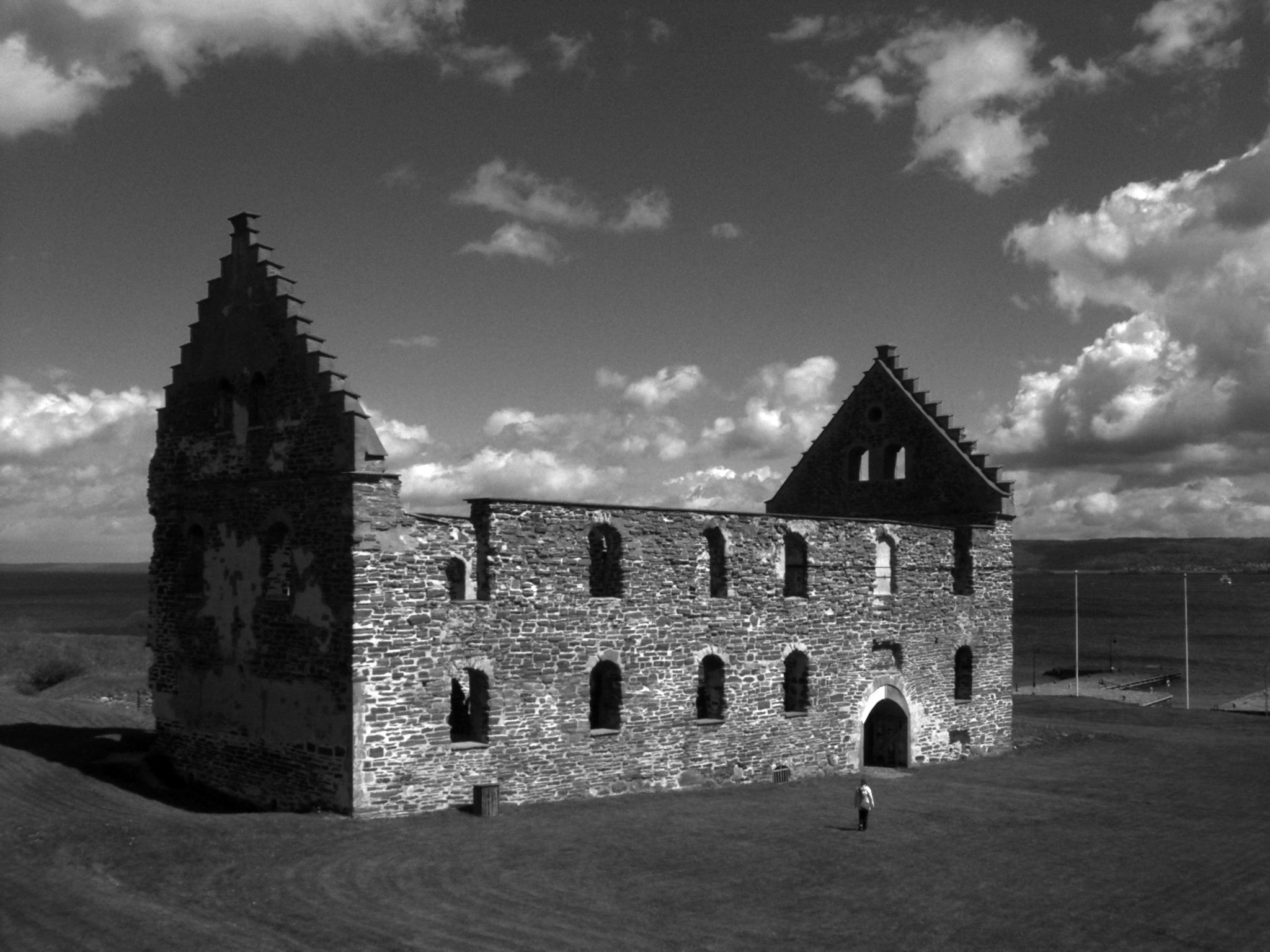
“Visingsborg” is the designation for a county and a castle on the eastern side of the island Visingsö in Lake Vättern, Sweden. Both are historically closely connected with the Brahe family.
The castle was built in the 1560s as a square with four towers and a moat. Stones from the Alvastra Monastery were also used in its construction. The old castle on Visingsö, Näs slott, had long been a ruin by this time. The county included locations on the island as well as in Småland and Västergötland, totaling 468 farms in 1569 and an additional 100 in the 1640s. In 1654, Count Per Brahe the Younger obtained jurisdiction over the inhabitants of Visingsö.
As a result of a fire on the night of December 22 to 23, 1718, the castle was ruined. Russian prisoners of war from the Great Northern War, relocated there at the time, were accused of starting the fire.
The builders of the castle were:
Photo
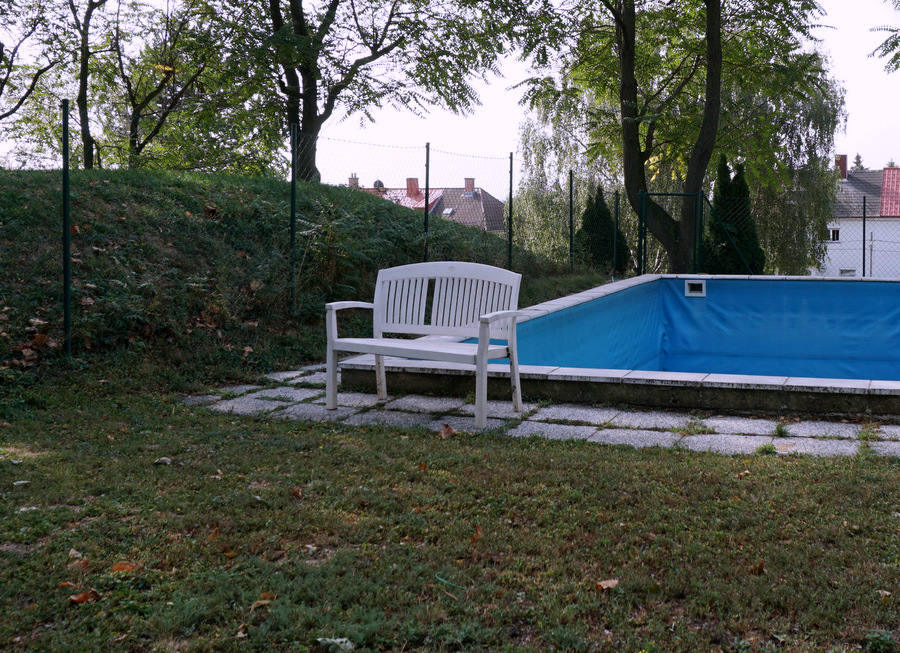
Vienna 2017
This swimming pool always reminds me of “La piscine”, the great film with Romy Schneider and Alain Delon.
“La Piscine” is known for its stylish cinematography, capturing the glamour of the French Riviera, and the tense, psychological drama that unfolds. The film has gained a reputation as a classic in the erotic thriller genre, and it has been influential for its portrayal of complex relationships and the consequences of jealousy.

Photo
Florence 2017
The history of graffiti spans thousands of years, evolving from ancient cave paintings to a modern urban art form. Graffiti, derived from the Italian word “graffiato” meaning scratched, encompasses a wide range of artistic expressions, from simple tags to intricate murals.
In ancient civilizations such as Rome and Pompeii, graffiti served as a means of political and social commentary. Citizens would inscribe messages on walls, expressing dissent, admiration, or simply leaving their mark. The preserved ruins of Pompeii reveal a rich tapestry of ancient graffiti that provides insight into the daily lives of its inhabitants.
Today, graffiti continues to be a powerful form of expression, addressing social issues, cultural identity, and personal narratives. It has evolved from its humble beginnings in ancient caves to a dynamic, influential art form that resonates across the globe, leaving an indelible mark on the history of human creativity.

Photo
Pisa 2017
Don’t feel guilty if you need a nap
It’s not a sign of weakness or a trap
It’s a healthy habit that can make you smile
And give you more energy and style
Photo
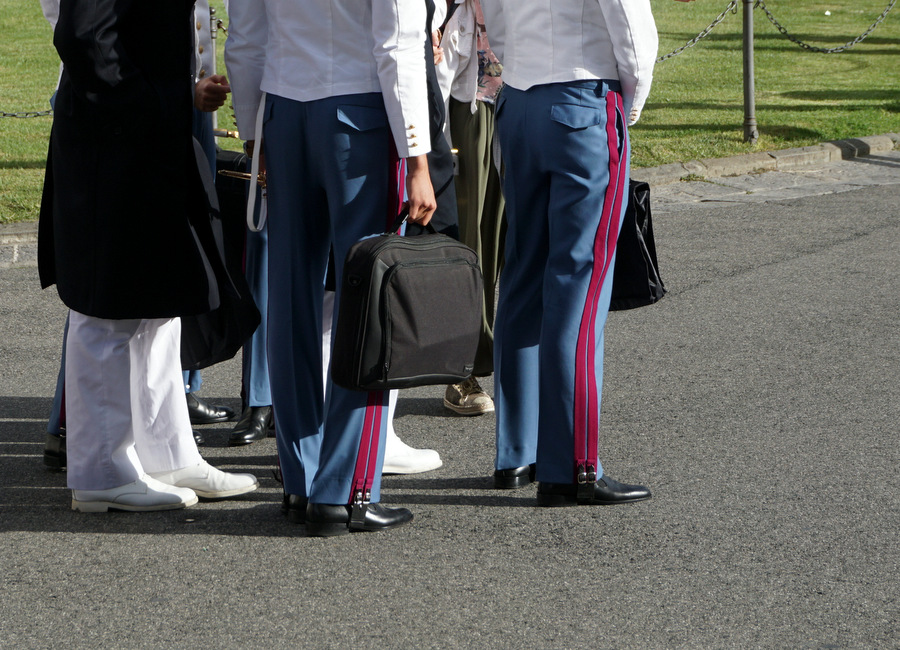
Pisa 2017
Of course, soldiers of the Italian Accademia Militare do wear very chic uniforms since Italy is the home turf of Prada, Zegna, Armani, and many more well-known fashion brands.
 viennarightnow